Can a Torn or Snagged Fabric Couch Be Repaired in Dallas Without Reupholstering?
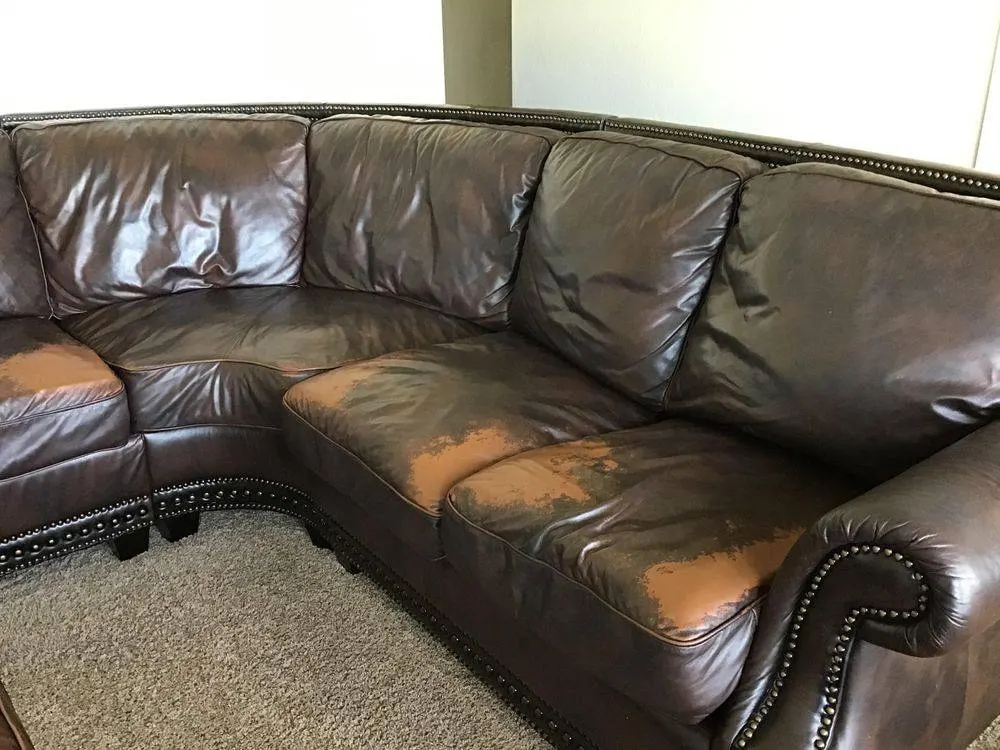
Yes, in most cases. A tear, a snag, a pulled seam or a worn arm on a fabric couch is local damage, and local damage is repaired in your home in Dallas without recovering the piece: stitched, patched with the couch's own hidden fabric, or restitched on the original seam lines. Reupholstery is the honest answer only when the covering has failed broadly.
Quick answer
Usually yes. A tear, snag, pulled thread, burst seam or worn arm on a fabric couch is local damage, and we repair it in your Dallas–Fort Worth home without recovering the piece. Clean tears are stitched or backed, snags are corrected, worn-through spots are patched with fabric cut from a hidden part of the same couch, and seams are restitched on the original lines. Reupholstery is the honest answer when the fabric has failed across the whole piece or you want a different look, and we tell you that from your photos.
At a glance
| Usually repairable | Tears, snags, pulled threads, burst seams, worn arms and edges |
|---|---|
| Where patch fabric comes from | Hidden parts of the same couch: under the cushions, the deck, the back |
| Reupholstery makes sense | When the fabric has failed broadly or you want a new look |
| Where the work happens | In your home, most repairs in one visit |
| Before we come | Do not trim, tape or glue the damage |
| Free estimate | Phone photos to (972) 522-9763 or the online form |
What Fabric Couch Damage Can Be Repaired at Home?
Most damage on a cloth couch is local: one tear, one snag, one seam, one arm. The rest of the covering is still sound, and the frame and cushions underneath still do their job. That is exactly the gap repair fills. The aim is to fix what failed and leave everything else as it is.
Fabric fails differently from leather. Threads snag and pull, the weave rubs thin at the arms and cushion edges, seams burst under load, and cats treat a woven texture as an invitation. So the repair tools are different too: stitching, reweaving and patching with matched material, rather than the fill-and-refinish work used on leather.
The table below lists the fabric damage we see most often on couches, what the repair involves, and the signs that make it a bigger job. Your photos decide the final answer, but this shows where your couch probably sits.
| Damage | What the repair involves | What makes it a bigger job | Usual outcome |
|---|---|---|---|
| Clean tear or puncture | Closed with hidden stitching, or backed so the weave lines up again | Frayed edges, missing fabric, or a tear that has kept growing | Usually a local repair |
| Snag or pulled thread | The pulled thread is worked back and the snag corrected | A loop that was cut off, or many snags in one area | Usually a local repair |
| Worn-through arm or cushion edge | Padding replaced behind the spot; the area patched with the couch's own hidden fabric | Wear on both arms and several cushion edges | Repairable while the rest of the fabric is sound |
| Cat-scratched arms or sides | Pulled threads secured; areas where the weave is gone patched with matched fabric | Weave destroyed across large areas | Repaired, then reinforcement options discussed |
| Burst seam or broken zipper closure | Broken stitching removed and the seam restitched on the original line | The fabric beside the seam has torn too | Usually a quick restitch if caught early |
| Fabric failing across the whole couch | Assessed honestly from photos | Thin, brittle or torn fabric on most panels | Reupholstery by an upholsterer is the better spend |
How to read this table: find your damage in the first column, then check the third. If nothing in the third column describes your couch, you are looking at a local repair. The last row is the one case where we tell you to spend your money on reupholstery instead; our fabric upholstery repair page lists every type of fabric damage we handle.
How a Tear, Snag or Worn Arm Is Actually Fixed
Every fabric repair starts with the same question: is the fabric still there, or is some of it gone? That decides between closing the damage and patching it.
Clean tears: when the edges are intact, the tear is closed with hidden stitching or backed from behind so the weave realigns. High-pile and patterned fabrics hide a closed tear especially well, because the texture and the pattern break up the line.
Snags and pulled threads: a snag is a thread pulled out of the weave, not a hole. It is corrected by working the thread back into place. That is why the worst thing you can do is cut the loop off: once the thread is gone, a snag becomes a gap.
Worn arms and edges: where the weave has rubbed thin or worn through, the padding behind it is usually flattened or gone as well. The padding is replaced behind the worn spot, the corner is rebuilt or patched with matched material, and the edges are secured.
Burst seams: the broken run of stitching is removed and the seam is restitched following the original lines and spacing, with heavy-gauge thread where the seam carries seating load. Our stitching and seam repair page covers that work across all materials, fabric included.
The goal in every case is a repair you have to look for. On a clean tear in a textured fabric, that is often close to what you get. On a large worn-through patch, the patch is cut from the couch's own fabric so it matches as closely as the fabric allows.
Where Matching Fabric Comes From When Yours Is Discontinued
This is the question most people ask first, because the couch is a few years old and the store no longer sells that fabric. You do not need to find it.
The patch fabric comes from the couch itself. Every upholstered piece has fabric in places nobody sees: under the seat cushions, on the deck the cushions sit on, and on the hidden face of the back panel. We cut the patch from there.
That fabric has two big advantages over any new bolt. It is the same fabric, so the weave, the fiber and the pattern are right. And it is the original, aged the same way as the rest of the couch, which a new piece of fabric cannot be.
If you are not sure what your couch is made of, the label under the cushions usually tells you, including the fiber content and the cleaning code. Our guide to reading your couch label explains what the words and letters on that tag mean.
What to Do (and Not Do) Before the Repair
A small tear or snag is easy work. The things people do in the first hour are often what turns it into a bigger job.
Do not trim the snag or the frayed edges. A pulled thread can be worked back into the weave; a cut thread cannot. Trimming loose edges around a tear removes the fabric the repair would have used to close it.
Do not tape or glue it. Anything put on the damage has to come off again before the real repair can start, so it only adds work. DIY repair kits are not something we recommend either.
Keep weight off a burst seam. Seam runs spread with every use, so what is a quick restitch today becomes edge reinforcement and patching later. If the seam is on a seat cushion, turn the cushion or keep people off that side until it is fixed.
Keep pets away from the spot. An open tear or a loose thread is an easy target for a cat, and pulled threads can still be secured, while a weave that has been scratched apart needs a patch.
Then take photos while the damage is still small: one of the whole couch and close-ups of every damaged area.
When Reupholstery Is the Honest Answer in Dallas
Repair is right when the damage is local, such as a seam, a panel or a corner, and the rest of the covering is sound. Reupholstery is a different job: the piece is stripped to the frame and recovered in new fabric. It is a big project, priced accordingly, and it is not something we do.
It is the better spend in two situations. The first is when the fabric has failed broadly: thin, torn or worn through on most of the panels, so patching one area would only move you on to the next. The second is when you simply want a different look or a different fabric. No repair changes the fabric a couch is covered in.
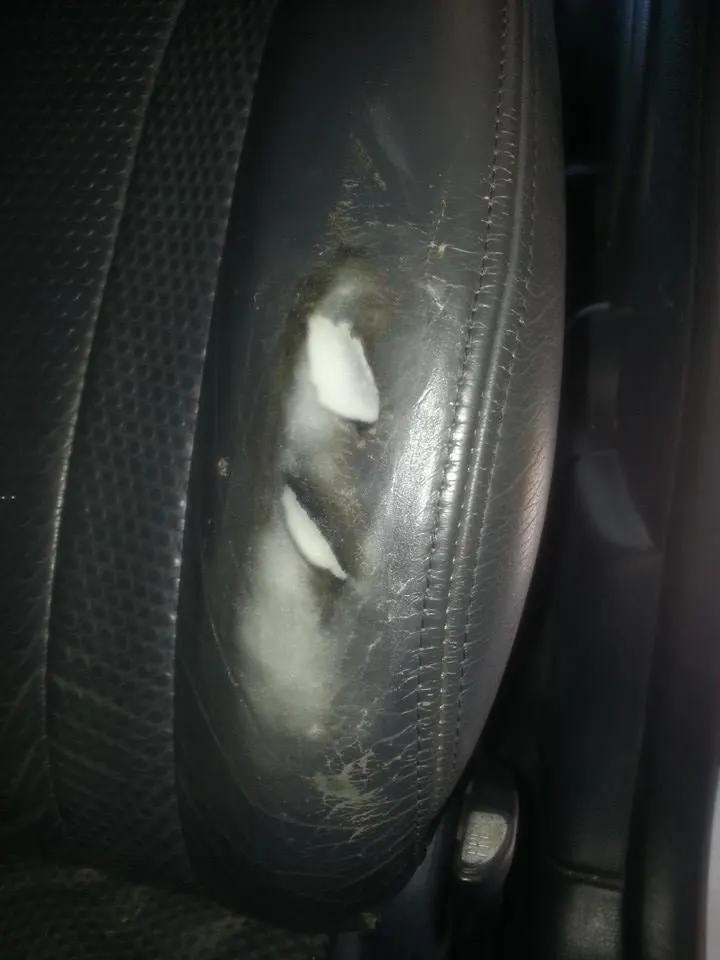
Problems inside the couch are also a different trade. Springs, frames and reclining mechanisms are not part of our work. If your photos or the visit show that the support underneath has failed, we say so plainly, so you can take it to the right shop instead of paying to repair the covering on a couch that needs structural work.
For most Dallas–Fort Worth homes, though, the couch is not in either situation. It has one tear from a move, one seam that gave way, an arm the cat found, or edges rubbed thin where everyone sits. A sound couch with a local problem does not need new fabric.
Here is the quick way to sort it before you send photos:
One tear, snag or seam, rest of the fabric fine: a local repair.
Worn arms or edges, fabric sound elsewhere: a repair with padding and a patch from hidden fabric.
Low, sagging seats under covers in good shape: new foam, same covers.
Thin, brittle or torn fabric on most panels: reupholstery is the better spend.
You want a new color or fabric: reupholstery, because repair keeps the fabric you have.
How the Free Photo Estimate Works
You do not need a visit to find out which side of that line your couch is on. A free estimate comes from phone photos.
Photograph the whole couch. A wide shot shows where the damage sits, what the rest of the fabric looks like, and whether other areas are worn too.
Take a close-up of every damaged area. Get close enough to see the edges of a tear, the loop of a snag, or the broken stitching along a seam. Include the arms even if the tear is your main worry.
Photograph the label if you can find it. It is usually under the seat cushions or on the deck, and it tells us the fiber content and the cleaning code.
Tell us what the photos cannot show: a cushion that sags, a product you already tried on the damage, a cat that uses the arm, or other pieces you want looked at.
Text the photos to (972) 522-9763 or upload them through the free estimate form. We reply with what we recommend and what the job costs, including an honest note if repair is the wrong spend. Our guide to which photos to send for an estimate is written for leather, but the same shots work for fabric.
Who Repairs Your Fabric Couch, and How to Book
Leather Repair Dallas (legal name Dallas Leather Reconditioning Specialist) is a fully mobile repair service. Owner and technician Francisco Avila comes to your home, so there is no shop drop-off and nothing is hauled away. The couch stays in your living room.
Despite the name, the work is not only leather. We repair leather, vinyl and fabric upholstery, plus cushion interiors, seams and stitching. On fabric that means tears, snags and pulled threads, cat scratching, worn arms and edges, burst seams and zipper failures, and pilling and surface wear, on sofas, sectionals, upholstered chairs, ottomans, dining chair seats, headboards, benches and cushion covers.
Most repairs are one visit of one to three hours, and the couch is usable the same day. Stitching is matched to the weave and the seam style, patches are cut from the couch's own hidden fabric, and where the fabric is too far gone for a local repair, we tell you before you spend anything.
The service covers Dallas, Plano, Frisco, Richardson, Irving, Garland, Carrollton, McKinney, Fort Worth, Arlington and the rest of the metroplex. Tell us your city when you send photos.
To get started, text photos of the whole couch and each damaged area to (972) 522-9763, or use the free photo estimate form. You will know what the repair involves and what it costs before anyone drives anywhere.
Questions we get asked next
- Can a tear in a fabric couch be repaired without reupholstering it?
- Usually yes. A tear is local damage, and local damage is repaired in place: a clean tear is closed with hidden stitching or backed so the weave lines up again, and a tear with missing fabric is patched with fabric cut from a hidden part of the same couch. Reupholstery is only the better spend when the fabric has failed across most of the piece.
- Will I be able to see where the tear was?
- The aim is a repair you have to look for. Clean tears in high-pile and patterned fabrics blend especially well, because the texture and the pattern break up the line. Larger patches use your couch's own hidden fabric, so the weave and the fading match as closely as the fabric allows.
- My couch fabric is discontinued. Where does the patch come from?
- From the couch itself: under the seat cushions, the deck the cushions sit on, or the hidden face of the back panel. That fabric is the original, aged the same way as the rest of the couch, so you do not need to find a matching bolt.
- Should I cut off a snag or a loose thread?
- No. A snag is a thread pulled out of the weave, and it can be worked back into place. Once it is cut, the snag becomes a gap. Do not tape or glue it either; leave it as it is and send a photo.
- The cat scratched the fabric arms thin. Can they be fixed?
- Yes. Pulled threads are secured, and where the weave has been destroyed, the area is patched with matched fabric from the couch. After the repair we can discuss reinforcement options for the cat's favorite scratching spots.
- Do you reupholster fabric couches?
- No. Reupholstery strips the couch to the frame and recovers it, which is a different trade. We repair the damage on the fabric you have. When reupholstery is the honest answer, because the fabric has failed broadly or you want a new look, we tell you from your photos before you spend anything.
- Can you clean the couch in the same visit as the repair?
- Yes. Repair and cleaning combine well in one visit. Cleaning is matched to the fabric's cleaning code and tested on a hidden spot first, and an optional protection treatment helps the next spill blot up instead of soaking in.
- How long does a fabric couch repair take?
- Most repairs are one visit of one to three hours in your home, and the couch is usable the same day. Send photos to (972) 522-9763 for a free estimate first.
- fabric couch repair
- fabric tear repair
- upholstery repair
- reupholstery
- dallas