Is Interior Repair Worth Doing Before a Lease Return or Trade-In?
An appraiser forms a view of your interior in about a minute, touching three surfaces. Those three are also the cheapest things to put right.
Quick answer
Usually yes, and the reason is that interior condition is assessed quickly and subjectively. Three surfaces do most of the work: the driver's seat bolster, the steering wheel and the center console — all within arm's reach, all touched in the first minute, and all inexpensive to repair. For a lease return the calculation is different: check the lessor's wear-and-tear standard first, because chargeable damage is defined specifically.
At a glance
| Highest return | Driver's bolster, steering wheel, center console — the first three touched |
|---|---|
| Also visible | Faded panel tops, cracked dash, worn door armrest, carpet in the driver's footwell |
| Lease returns | Check the lessor's wear standard first — it defines what is chargeable |
| Private sale | Bigger payoff than trade-in, because the buyer sits in it before deciding |
| Not worth it | Damage the appraiser will not see, on a vehicle already at the bottom of its grade |
How interiors actually get assessed
It helps to know what the process looks like from the other side, because it explains where the money goes furthest.
An appraiser at a dealership spends a short time on the interior. They open the door, sit in the driver's seat, look around, touch the wheel and the console, check the rear seats and the trunk, and form a grade.
A private buyer does something similar but with more feeling and less structure. They sit in it, put their hands on the wheel, look at the seat they will be sitting in every day, and either warm to the car or do not.
Neither is doing a detailed survey. Both are pattern-matching against an impression of how the vehicle has been treated.
That is why a torn driver's bolster costs more than its repair price: it is not the tear itself, it is what the tear implies about everything you cannot see.
The three surfaces that matter most
In order of impression per dollar spent.
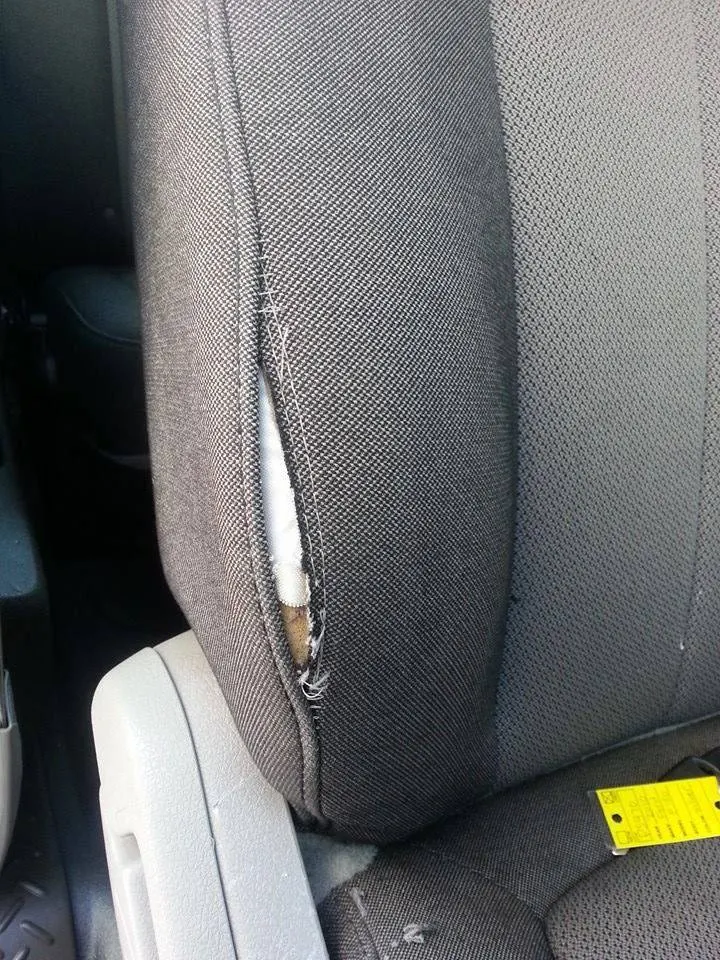
The driver's seat bolster. It is the single most visible interior defect in most vehicles because it is the first thing a buyer sees when the door opens, and it is where wear concentrates. A worn or split bolster reads as high mileage regardless of the odometer.
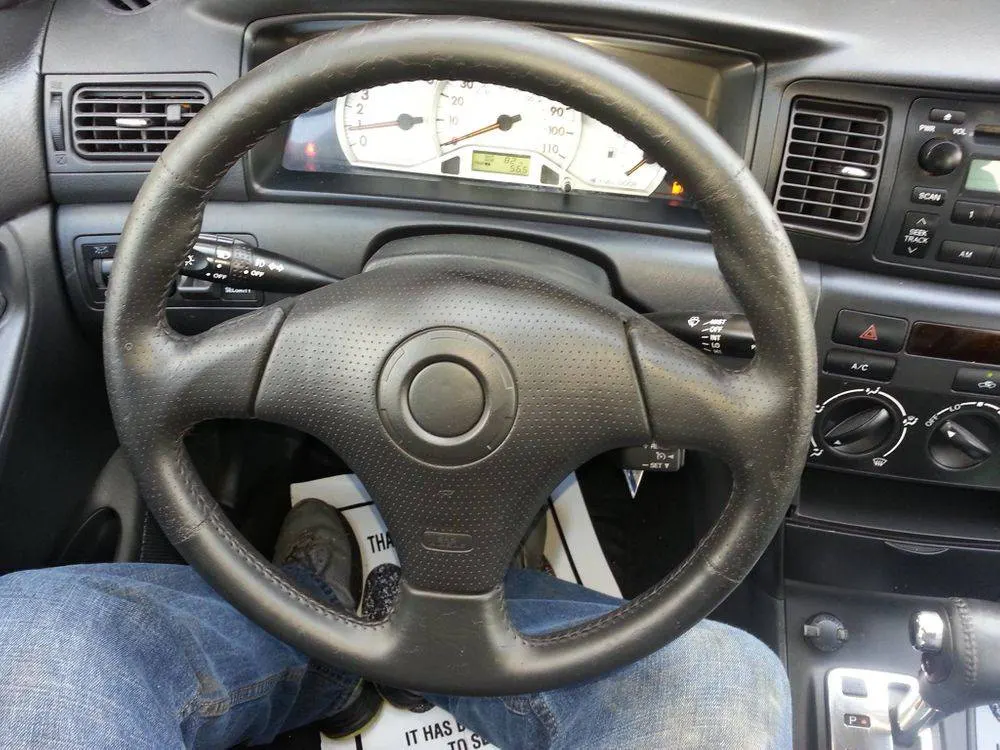
The steering wheel. It is the first thing anyone touches, and a shiny, sticky or worn wheel is unmistakable. It is also a small area, so restoring it is among the cheapest interior work available.
The center console lid. It is under the driver's arm and in their eyeline, and it takes the same burnished, darkened wear as the wheel.
Those three are all within arm's reach of the driver's seat, all repairable in a single visit, and together they change how the whole interior reads.
If a budget only stretches to one thing, it is the bolster. If it stretches to three, it is these three.
The next tier
Worth doing when the budget allows, in rough order of visibility.
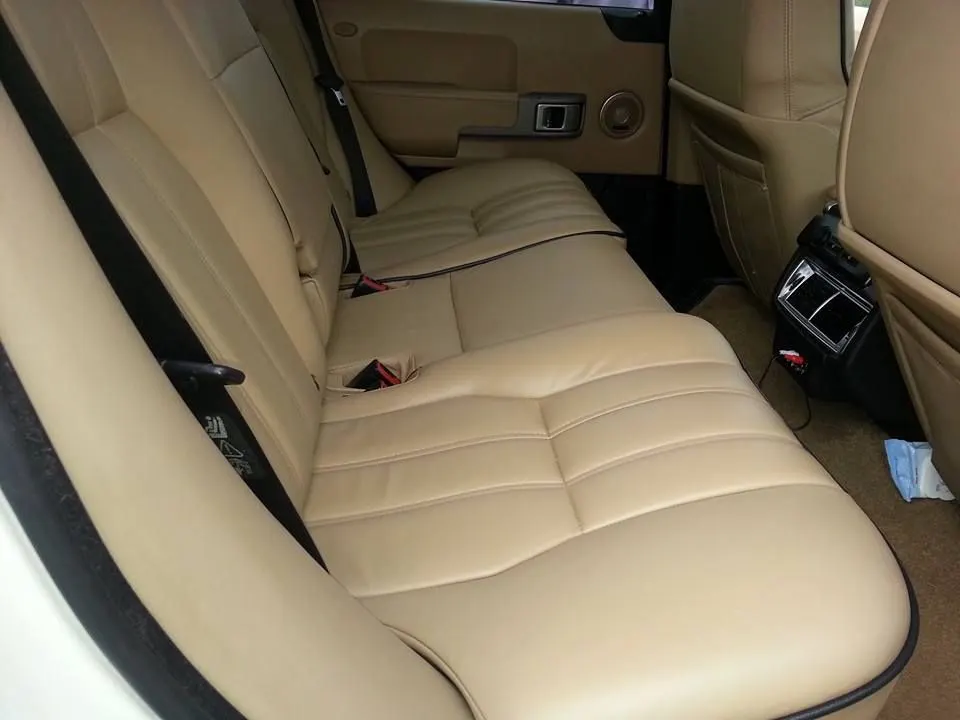
Faded panel tops — the tops of rear seat backs and front seat shoulders. Uneven fading reads as neglect even when nothing is damaged, and recoloring evens it out.
A cracked dashboard, which is highly visible from the driver's seat and repairs in place.
Worn door armrests, which are touched on every trip and sit at eye level when the door is open.
Carpet in the driver's footwell, where heel wear and any burns are visible when someone gets in.
Seat perforations and stitching, where a split seam suggests more wear than it represents.
Below that, damage a buyer will not encounter in a normal inspection is generally not worth spending on before a sale.
Lease returns work differently
This is where the calculation changes completely, and doing the wrong thing costs money either way.
Lease agreements define excess wear and tear specifically, and the standard varies by lessor. It usually distinguishes normal wear — minor scuffing, light soiling — from chargeable damage such as tears, burns, holes and staining beyond a defined size.
Read that standard before spending anything. Some damage that looks significant is within normal wear, and repairing it is money you will not get back.
Many lessors offer a pre-return inspection some weeks before the end date. That inspection tells you exactly what is chargeable, which is far better information than guessing.
Where damage is chargeable, repairing it yourself is nearly always cheaper than the lessor's charge, because their charge reflects retail reconditioning rates.
The one thing to avoid is a poor repair. A visibly bad repair can be treated as damage in its own right, and it is worse than the original problem.
Trade-in versus private sale
The return on interior work differs between the two, and it is worth knowing which you are doing.
On a trade-in, the vehicle is being graded against a schedule and the dealer is factoring in what it will cost them to recondition. Interior work moves the grade, and the gain is real but bounded.
On a private sale, the buyer is making an emotional as well as a financial decision, and they sit in the car before making it. A clean, well-presented interior directly affects both whether they buy and what they will pay.
So the same repair generally returns more on a private sale.
There is also a time factor: a vehicle that presents well sells faster, and on a private sale that matters as much as the price.
For a trade-in on a vehicle already in poor overall condition, the honest answer is sometimes that interior work will not move the grade enough to pay for itself. A specialist should say so rather than take the booking.
What not to bother with
Being straight about this matters, because it is where people waste money.
Damage in places nobody looks: the underside of seats, the rear cargo area on a vehicle where that is not a selling point, panels hidden by seats in their normal position.
Cosmetic work on a vehicle whose mechanical condition is what is driving the price.
A full interior restoration on an older, high-mileage vehicle being traded rather than sold privately.
Anything requiring parts on order if you are selling in the next two weeks, because a half-finished interior presents worse than a consistently worn one.
And covering rather than repairing. Seat covers over damaged seats and a dash cover over a cracked dash both read as concealment, and buyers assume the worst about what is underneath.
Timing it properly
A few practical points about when to do the work.
Do it before the photographs, not after. Most private sales start with images, and a worn bolster in a photograph filters out buyers before they contact you.
Leave time for cure. Interior finishes need a short cure period before the surface takes friction, and photographing or handing over a vehicle the same afternoon is rushing it.
For a lease return, book after the pre-return inspection so you know what is chargeable, and well before the return date.
Combine it with a proper detail. Repair and cleaning work together — a repaired bolster in a dirty interior does not present, and a detailed interior with an obvious tear does not either.
And do the whole cluster at once. The three key surfaces in one visit costs far less than three separate appointments, because setup, masking and color mixing are shared.
The Texas market context
A few things about this region affect the calculation.
Interior condition varies more here than in mild climates, because vehicles parked outside age dramatically faster than garaged ones. That means buyers here are used to seeing sun-damaged interiors, and a well-presented one stands out more.
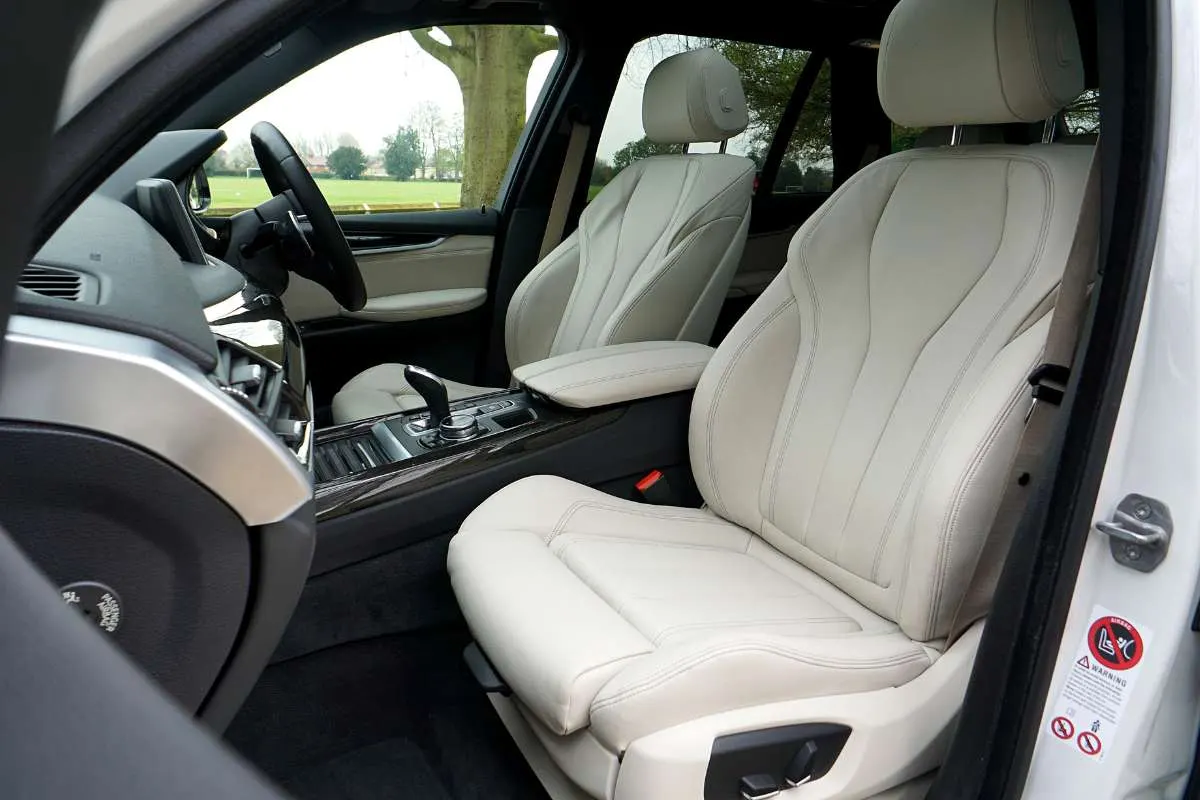
Light-colored interiors are common because they stay cooler, and they show wear and dye transfer more visibly — so cleaning and recoloring do more for them than for a dark interior.
Cracked dashboards are common enough locally to be almost expected on older vehicles, which cuts both ways: buyers may not be surprised, but a dash without cracks is a genuine differentiator.
And because the work is mobile, it happens on your driveway or at your workplace with the vehicle staying where it is, which removes the usual objection about time.
Getting a realistic assessment
Photograph the interior the way a buyer would see it: door open, from outside, in daylight without flash.
Then close-ups of the driver's bolster, the steering wheel and the console lid — the three that matter most.
Add anything else you are considering: faded panel tops, dash cracking, door armrests, footwell carpet.
Say what you are doing with the vehicle — trade-in, private sale, lease return — and roughly when. The recommendation is genuinely different for each.
For a lease return, include the wear-and-tear standard or the pre-return inspection report if you have it.
And ask directly which items will pay for themselves and which will not. A specialist who will tell you to skip something is worth more than one who quotes the whole list.
A realistic expectation
It is worth setting this honestly rather than promising a number.
Nobody can tell you what a specific repair will add to a specific vehicle's price, because the market, the model, the mileage and the buyer all vary. Anyone offering a guaranteed figure is guessing.
What can be said is directional: interior condition is one of the first things assessed, it is assessed quickly and subjectively, and the three highest-impact surfaces are also among the cheapest to address.
For most vehicles in reasonable overall condition, addressing those three costs less than the difference between a good and an average interior grade.
For a vehicle that is rough throughout, it does not, and the honest recommendation is to sell it as it is and price accordingly.
The useful test: look at your own interior as if you were about to buy it, and note the first three things you would point at. That list is usually the right scope.
Better still, ask someone who has never been in the car to sit in it and say what they notice first. Owners stop seeing their own interior after a few months, and the things you have grown used to are exactly the things a buyer registers immediately.
Questions we get asked next
- Will a dealer notice a repaired bolster?
- A well-executed repair is not detectable in a normal appraisal — the color is matched to your leather, the grain is pressed to match, and the blend extends past the repair so there is no boundary. What appraisers notice is a bad repair, which is why cheap work is worse than none.
- Should I repair before or after getting a trade-in quote?
- Get an initial quote first if you can. It tells you where the vehicle sits and whether interior work will move the grade meaningfully. On a vehicle already at the bottom of its grade for mechanical reasons, cosmetic work often will not shift the number.
- Is interior repair disclosed when selling privately?
- Cosmetic repair is not a disclosure issue in the way structural or safety work is, and it is generally regarded as maintenance. If a buyer asks directly, saying the interior was professionally refreshed is a reasonable and usually positive answer.
- My lease return is in a month and the seat is torn. What is the order?
- Check the wear-and-tear standard first, and take the pre-return inspection if the lessor offers one. If the tear is chargeable, repairing it privately is nearly always cheaper than their charge — and leave enough time for the repair to cure properly before the return date.
- trade-in
- lease return
- resale