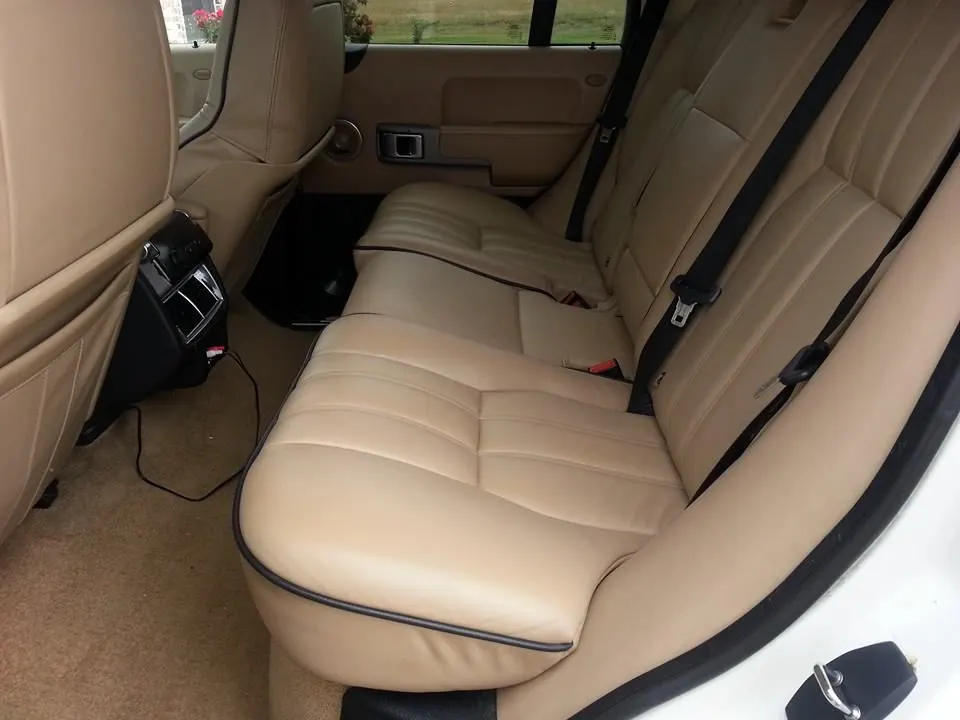
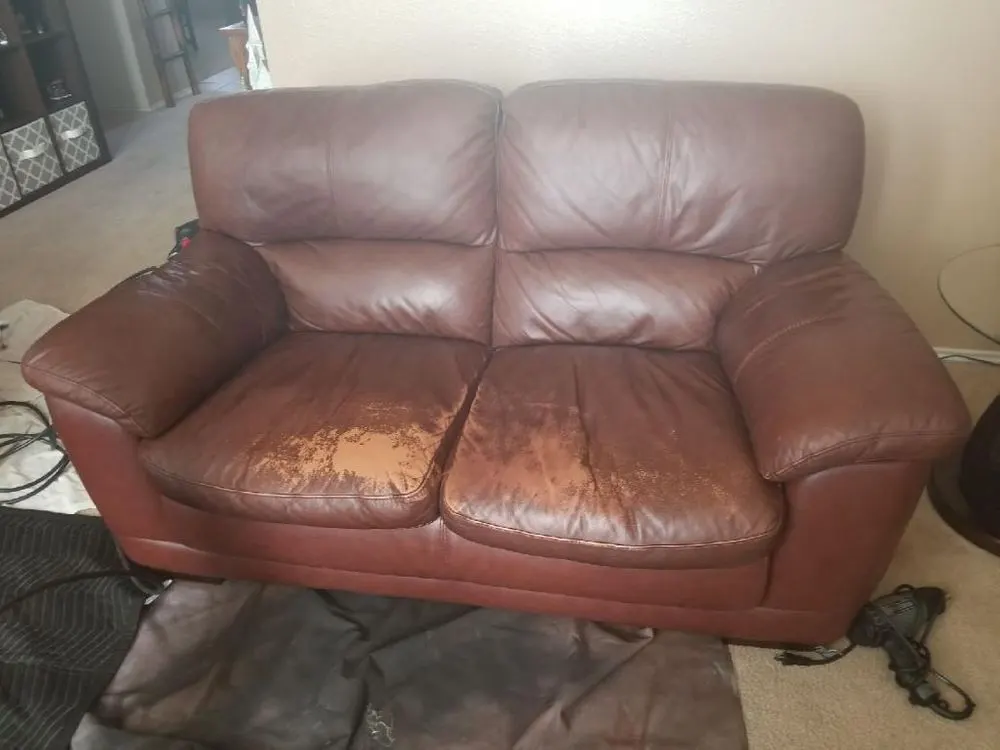
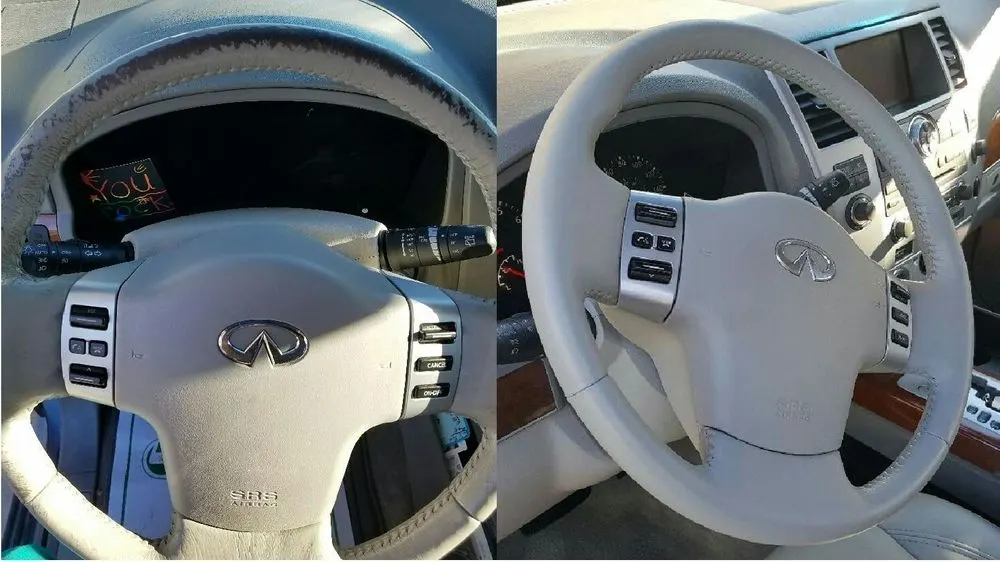
Restore or Replace? How to Preserve an Original Classic-Car Interior
On a classic, the calculation reverses. A tired original interior is often worth more than a perfect new one, and that changes every decision.
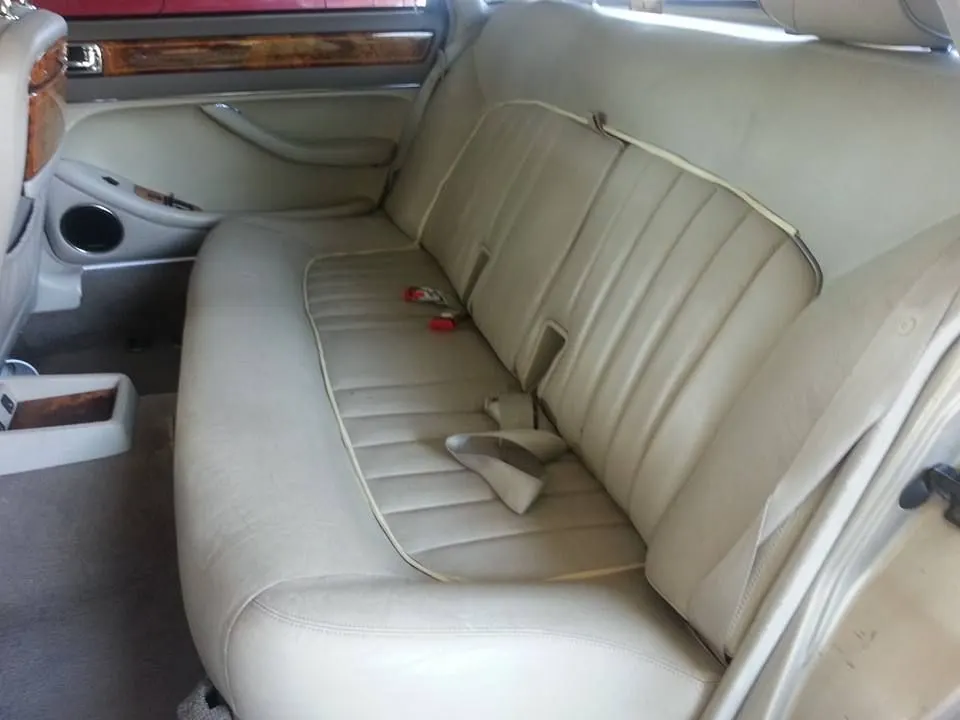
Quick answer
Preserve wherever the material is sound enough to work with, because originality cannot be recovered once it is gone. Cleaning, stabilizing, filling and recoloring keep the original hide in the car. Replace only when the material has failed structurally, when a panel is missing, or when the car is being built for use rather than for originality. The decision should be made before anyone starts, because the first cut cannot be undone.
At a glance
| Preserve when | The material is intact enough to clean, stabilize and refinish |
|---|---|
| Replace when | Structural failure, missing panels, or a car built for use rather than originality |
| Document first | Photograph everything before any work — patterns, stitching, materials, wear |
| Irreversible | Stripping original finish, cutting original material, discarding old panels |
| Keep the old parts | Even replaced panels are patterns and evidence of originality |
Why the calculation reverses on a classic
On an ordinary vehicle, condition is what matters and originality is barely a consideration. A new panel that looks right is a good outcome.
On a classic, original material carries value in itself. A car with a worn but original interior can be worth more than the same car with a perfect modern retrim, because originality is a fact about the vehicle that cannot be recreated.
That reverses the usual logic. The instinct to make everything look new is exactly the instinct to resist.
It also raises the stakes on irreversible steps. A worn seat can be refinished, and a refinished seat can be retrimmed later if the owner changes their mind. A retrimmed seat cannot be un-retrimmed.
So the order of operations matters: preserve first, and treat replacement as the option you take when preservation is genuinely not available.
Establish what is actually original first
This is the step most often skipped and the one that changes the plan most.
Many classics have been retrimmed at least once, sometimes badly, sometimes decades ago. What looks original may not be, and what looks wrong may be a correct period repair.
Look for evidence: stitch patterns and thread color, the material's grain and weight, the way panels are attached, any manufacturer's markings on the reverse of a panel, and whether the wear pattern is consistent with the car's mileage.
Compare against marque references, owners' club knowledge and factory documentation if it exists. Enthusiast communities for a given model usually know exactly what the correct pattern, material and stitching were.
If a previous retrim used the wrong material or pattern, the preservation argument weakens considerably — you are preserving somebody's 1990s work rather than the factory's.
Establishing this before anyone touches anything is what separates a considered restoration from an expensive guess.
Document before you start
Photograph everything, thoroughly, before any work begins. This costs an hour and it is the single most valuable hour in the project.
Every panel from several angles, including the ones that look fine.
Every seam, close enough to see the stitch length, the thread color and the pattern.
The reverse of any panel that comes off, including markings, tags and construction details.
The wear pattern itself, which is evidence of how the car was used and is sometimes worth preserving as character rather than erasing.
Any damage, in close-up and in context.
If panels come out, label them and keep them regardless of whether they go back in. An original panel is both a pattern for future work and evidence of what the car had.
This documentation matters for the current job, for any future owner, and for anyone who has to make the same decision in twenty years.
What preservation actually achieves
The techniques are the same as any leather or vinyl restoration, applied with more restraint.
Cleaning and degreasing removes decades of accumulated body oil, dressing residue and soil. On a genuinely old interior this stage alone transforms the appearance, and it is entirely reversible in the sense that nothing has been added.
Stabilizing consolidates a finish that is powdering or lifting, so the surface stops deteriorating.
Filling and texturing rebuilds cracked and worn areas using flexible materials, keeping the original hide in place and in the car.
Recoloring rebuilds the pigment layer. On a classic this is where judgment matters: matching the current aged color preserves patina, while returning to the original factory shade produces a fresher result and loses some of that character.
That choice should be the owner's, made deliberately and with both options explained, rather than assumed by whoever is doing the work.
Patina versus damage
Distinguishing these is the heart of classic interior work and it is genuinely a judgment call.
Patina is even, honest aging: a mellowed color, a softened sheen, gentle wear at the contact points, a hide that has taken on character. It is generally worth keeping and it is part of what makes an original car appealing.
Damage is discontinuity: cracks, tears, holes, staining, a failed finish, a panel that is coming apart. It is not character and it gets worse if left.
The difficulty is that they overlap. A driver's seat with worn color and fine cracking has both, and the honest approach is to stabilize and repair the damage while leaving as much of the aged character as possible.
The heavy-handed version — stripping everything back and refinishing to a uniform new appearance — solves the damage and destroys the patina in the same pass.
This is why the conversation before the work matters more on a classic than on anything else. The technical answer is the same; the brief is different.
When replacement is genuinely right
Preservation is not always available, and pretending otherwise wastes money.
Structural failure: material that has gone brittle throughout and cracks in new places as soon as it flexes. There is nothing sound to build on.
Missing panels, or panels that have been cut, patched or modified beyond recovery by previous work.
Foam and padding that have crumbled, which on a car of a certain age is common and which no surface work addresses.
A car being built for use rather than for originality — a driver, a restomod, a vehicle the owner wants to enjoy without worrying. That is a completely legitimate choice and it changes the whole brief.
And a previous retrim in incorrect material, where replacing it with a correct-pattern trim actually moves the car toward originality rather than away from it.
Where replacement is right, the important discipline is keeping the old material as a pattern and as evidence.
Materials, correctness and sourcing
Where replacement happens, matching the original specification matters more than matching its appearance.
Period-correct material means the right grain, weight, color and finish type — not simply leather of the same color. A modern heavily pigmented hide in a car that originally had a lightly finished one looks wrong to anyone who knows the model.
Vinyl matters just as much. A great many classics had vinyl seating from the factory, and replacing it with leather is a modification rather than a restoration, however much better it sounds.
Stitch pattern, thread color, piping and the placement of pleats and seams are all part of correctness, and they are what a knowledgeable buyer or judge looks at.
Reproduction trim kits exist for popular models and vary widely in accuracy. Marque specialists and owners' clubs are the best source of guidance on which are correct.
For a rarer car, a trim shop working from your original panels as patterns is often the only route — which is another reason to keep them.
The Texas storage problem
Classic cars in this region face a specific set of conditions, and most of them are about storage rather than driving.
Cars stored in unconditioned garages here go through extreme summer heat, which drives plasticizers out of leather and vinyl and degrades adhesives on door panels and headliners.
Summer humidity combined with a closed car produces mold on upholstery and in carpet padding — one of the most common problems on a car brought out of storage after a season.
Cars stored under covers can be worse if the cover traps moisture against the surfaces. Breathable covers, and space around the vehicle for air to move, matter more than the cover itself.
A car that sits also suffers from compression: seats hold the same shape for years, and foam takes a set.
The practical guidance for storage: conditioned space if at all possible, airflow if not, breathable covers, windows cracked where security allows, and a check on the interior every few months rather than once a year.
Judged cars and the originality question
If the car is shown or judged, the rules of the relevant organization govern what counts, and they are worth reading before work rather than after.
Preservation classes exist specifically for original, unrestored cars, and they reward exactly the approach described here.
Restoration classes assess correctness against factory specification, which is where materials, stitch patterns and finishes matter in detail.
Documentation supports both. Photographs of the interior before work, records of what was preserved and what was replaced, and retained original parts are all evidence.
Even for a car that will never be judged, that record is worth having, because it answers the questions a future buyer will ask.
The one thing that damages a car's standing is undocumented work — nobody can tell what is original, so everything is assumed not to be.
Getting a classic interior assessed
Photograph the whole interior first, in daylight with the doors open, including the panels that look acceptable.
Close-ups of every damaged area, square-on and from a low raking angle.
Close-ups of seams and stitching, which is what establishes correctness.
A photograph of a protected area — under a seat, behind a backrest — which shows the original color before decades of light and use.
Say what the car is, what you know about its history, and whether it has been retrimmed before.
Say what the car is for: preservation, showing, driving, or sale. That single answer changes the recommendation more than the condition does.
And say explicitly whether you want patina preserved or the interior brought back to a fresh original appearance. A specialist should ask if you do not say, and any who does not ask is deciding something that is yours to decide.
Questions we get asked next
- Is a worn original interior really worth more than a new one?
- On many classics, yes — originality is a fact about the car that cannot be recreated, and it is what preservation classes and knowledgeable buyers value. It depends on the car and the market, which is why establishing what is actually original is the first step rather than an afterthought.
- Can cracked leather on a fifty-year-old seat be repaired?
- It depends on whether the hide still has flexibility. Leather that is stiff but sound can be cleaned, stabilized, filled and recolored. Leather that cracks in new places as soon as it flexes has lost its plasticity entirely, and no surface work fixes that.
- Should I keep the old panels if they are replaced?
- Yes, always. They are patterns for any future work, evidence of what the car originally had, and occasionally valuable in themselves. Label them, note where each came from, and store them somewhere dry.
- My classic smells musty after storage. Is that fixable?
- Usually, but the source is almost always the carpet padding or the seat foam rather than the surfaces. Cleaning the upholstery perfectly changes nothing if the smell is underneath. Address the padding and the storage conditions together, or it returns next season.
- classic cars
- originality
- preservation