How Soon Can You Sit On or Drive After an Interior Repair?
There is no universal answer, and anyone who gives you one before doing the work has not accounted for the layers or the day.
Quick answer
It depends on what was done and the conditions on the day, which is why a specialist confirms it before leaving rather than promising a figure in advance. A light color touch-up is usable almost immediately. A filled, textured and recolored repair needs the topcoat to cure before it takes friction. In practice you can normally drive sooner than you can slide across the repaired area — and sliding is what damages an uncured surface.
At a glance
| Light color work | Effectively usable straight away |
|---|---|
| Filled and refinished repair | Needs topcoat cure before it takes friction |
| Driving vs. sitting | Driving is usually fine first; sliding across the repair is the risk |
| Slows curing | High humidity, cool air, no ventilation |
| Speeds it up | Warm dry air and airflow — not direct sun, which causes its own problems |
Why there is no single number
Owners want a figure and it is a reasonable thing to want. The reason a good specialist will not give one in advance is that three variables move it, and two of them are not known until the day.
The first is what was done. A light color correction on an intact surface has one thin coat to cure. A rebuilt tear has several layers of filler, a texture stage, color coats and a topcoat, and the whole stack has to reach full hardness.
The second is the weather. Humidity slows solvent evaporation, cool air slows it further, and still air slows it most. A humid August evening and a dry breezy morning produce genuinely different cure times for identical work.
The third is where the vehicle is standing. A car in a shaded carport with the doors open cures differently from one in a closed garage or one baking in a parking lot.
So the honest answer is a range in advance and a specific time confirmed at the end, once the specialist has seen how the material behaved.
Touch dry, handleable, fully cured
These three stages get confused, and the difference matters.
Touch dry means the surface no longer transfers to a fingertip. It arrives quickly, often within minutes, and it means almost nothing about durability.
Handleable means the finish will tolerate light contact without marking. This is usually the point at which a specialist is comfortable removing masking and letting you look at the work.
Fully cured means the coating has reached its final hardness and flexibility. This takes considerably longer than touch dry, and it is the stage that matters for friction, pressure and cleaning.
The failure mode people encounter is treating touch dry as finished. A repair that feels dry can still take an impression from a seam in a pair of jeans, or scuff where someone slid across it.
The specific instruction to ask for is not when the repair will be dry, but when it will take friction.
Driving versus using the repaired area
These are separate questions, and separating them is what makes most repairs practical the same day.
Driving the vehicle does nothing to a repair on its own. Movement, vibration and normal cabin conditions are not a problem.
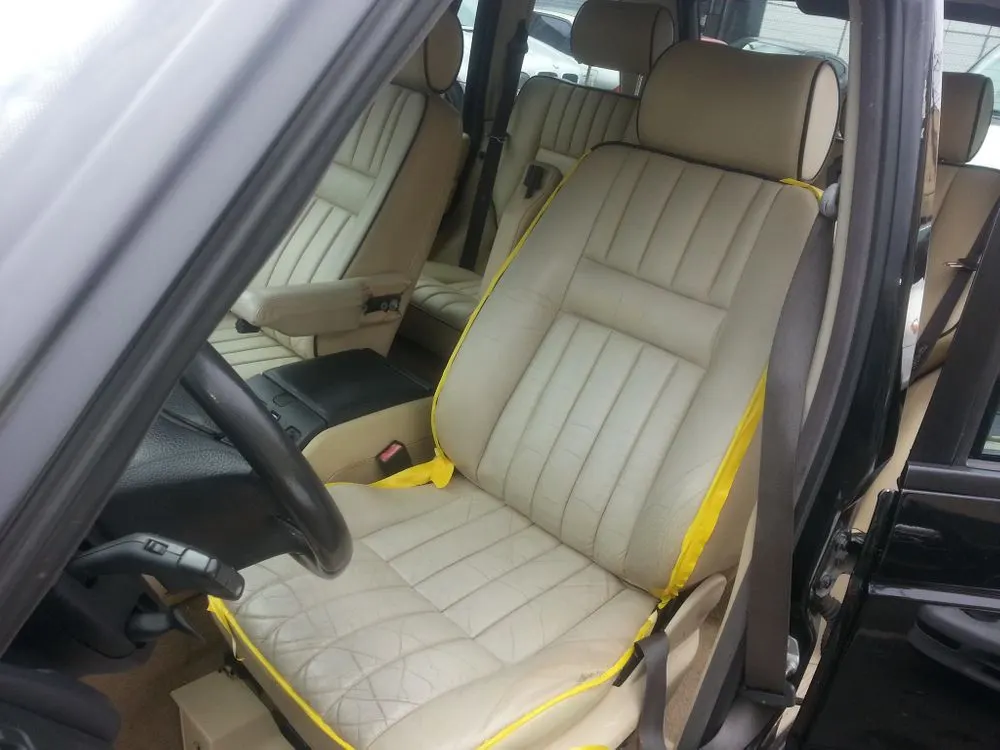
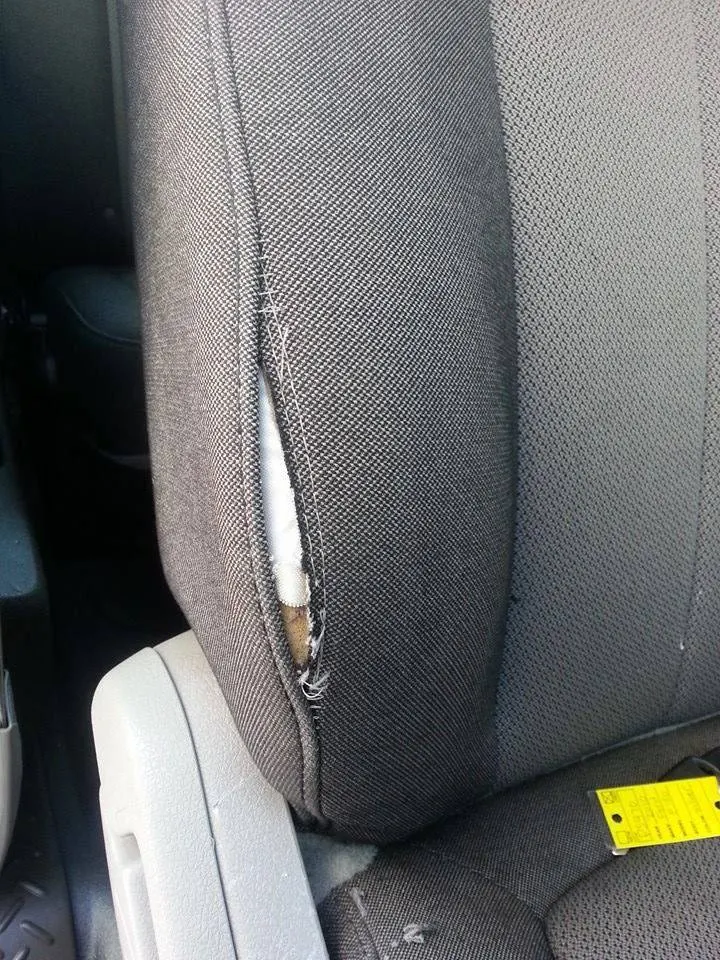
What loads a repair is body weight and, above all, sliding contact. On a driver's bolster — which is the most commonly repaired panel — every entry and exit drags across exactly the repaired area.
So the typical guidance is: the car can be driven before the bolster should be slid across. If you need to move the vehicle, sit down straight onto the seat center rather than sliding in over the repaired edge, and get out the same way.
On a seat cushion repair, the instruction is usually about sitting on it at all rather than how you get in.
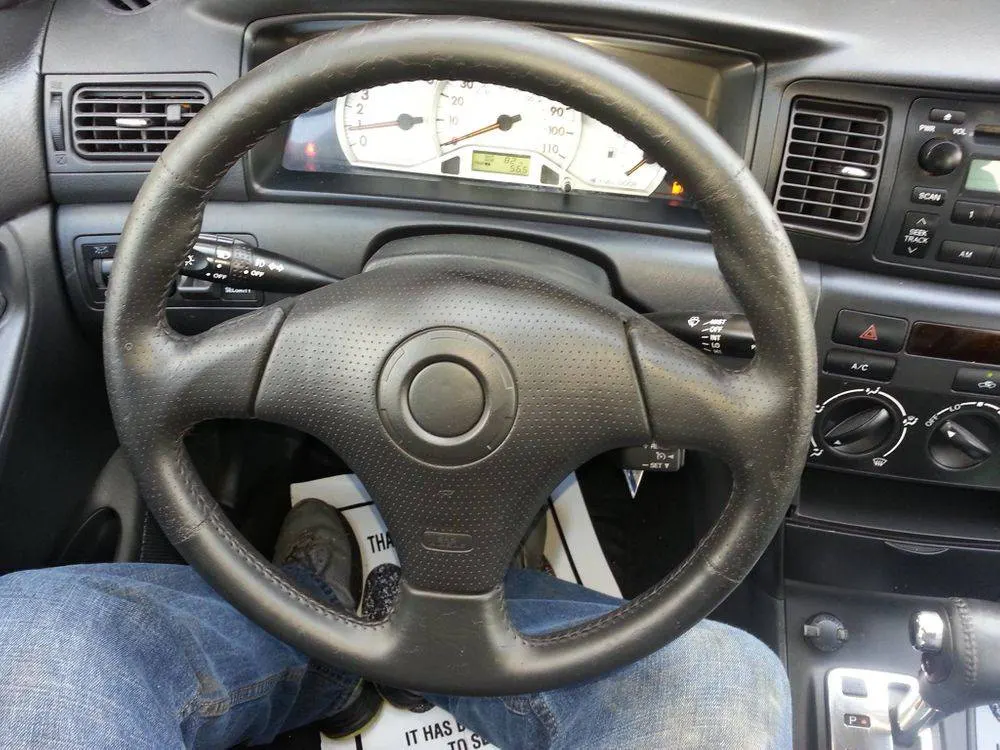
On a steering wheel, it is about gripping firmly rather than resting a hand.
On a console lid or an armrest, it is about resting weight on it.
A specialist should give you the instruction in that form — which movement to avoid — rather than a bare number of hours.
What slows curing down
Worth knowing, because it explains why the same job took four hours last time and longer today.
High humidity. Water-based finish systems rely on evaporation, and humid air holds less additional moisture, so evaporation slows. Gulf humidity in summer is a real factor here.
Cool air. Chemical curing slows at lower temperatures, so an early spring morning cures more slowly than a warm afternoon.
Still air. A closed car with the doors shut traps solvent-laden air against the surface. Airflow makes a substantial difference.
Thick application. Any coat applied too heavily cures from the outside in and stays soft underneath, which is one of several reasons thin coats are the correct method rather than a preference.
A cold surface. On a cool day, a panel that has been in shade cures more slowly than one that has been in gentle warmth.
What speeds it up, and what to avoid
Airflow at ambient temperature is the safe accelerator. Doors open in shade, or the vehicle's own ventilation running with windows cracked, moves air across the surface without adding heat.
Warm dry air is better than cool damp air, which is why a repair on a mild dry morning cures faster than one on a humid evening.
What to avoid is direct sun. It seems like the obvious answer in this climate and it causes two problems: surface temperatures in a closed car go far higher than any finish needs, and the outer skin of a coating can cure hard while the layer beneath is still soft — which produces a repair that looks finished and is not.
Heat guns and hair dryers are the same problem concentrated.
Closing the car up to keep dust off is counterproductive, because it traps solvent vapor and stops the airflow that curing needs.
If the vehicle has to be closed and left, ask the specialist how long it should be ventilated first.
The Texas complication
This region pushes in both directions at once, which is why local cure guidance is not the same as a national figure.
Summer heat should accelerate curing and often does — up to the point where a parked vehicle reaches cabin temperatures that are simply too high, at which stage the surface skins over and traps softer material underneath.
Summer humidity works the other way, slowing evaporation.
The combination means a hot humid afternoon is not the fast-curing environment it appears to be, and a shaded morning with a breeze is frequently better.
It is also why specialists here schedule around shade and time of day more than in milder regions, and why having a garage or carport available genuinely changes the plan.
After the work, keeping the vehicle out of full sun during the cure period is worth doing even if it means parking somewhere less convenient for an afternoon.
The first week matters too
Reaching handleable is not the end of it, and a few habits in the first week protect the work.
Avoid cleaning the repaired area at all for the period the specialist states. Cleaning products on a finish that has not fully hardened can soften or lift it.
Avoid conditioner for longer still. Conditioner is designed to penetrate a finish, and a new one does not want that yet.
Keep hand sanitizer well away from a repaired steering wheel or console. Alcohol on a fresh finish is the fastest way to undo the work.
Be conscious of the first few entries and exits on a repaired bolster, sitting down before swinging your legs in.
Keep the vehicle out of direct sun where practical for the first few days.
And avoid seat covers over a fresh repair, because they trap heat and press against a surface that is still hardening.
What a rushed cure looks like later
Knowing the symptoms helps, because they appear weeks after the cause.
An impression in the surface — the pattern of a seam, a stitch line or a fabric weave pressed into the finish where someone sat on it too early.
A scuffed or dulled patch where a repaired bolster was slid across before it was ready.
A repair that feels slightly soft or tacky compared with the leather around it.
Lifting at the edges, which usually means the topcoat took friction before it had bonded fully.
None of these are common on properly managed jobs, and all of them are avoidable by following the specific instruction rather than a general assumption.
If any appear, raise them promptly. A repair that has been marked in its first week is usually straightforward to correct; the same repair six months later has been worked further.
Commercial and fleet timing
For businesses the cure period is a scheduling constraint rather than a mild inconvenience, and it is worth planning around.
A vehicle repaired in the afternoon and needed at 6am is a tight window in humid weather. Repairing it in the morning gives the whole day.
For fleets, staging the work so each vehicle has an overnight cure before returning to service removes the problem entirely.
For dealership lots, the same applies before a vehicle goes on display or out for a test drive — a fresh repair being slid across by a prospective buyer is the worst case.
Rideshare and delivery vehicles are the hardest, because downtime is direct lost income. The honest approach is booking around a scheduled day off rather than trying to compress the cure.
A specialist should ask when you need the vehicle before agreeing a slot, rather than discovering the constraint at the end.
The question to ask before they leave
One sentence covers it: when can this area take friction, and what should I avoid until then?
A good answer is specific to your repair and your conditions — something like avoiding sliding across the bolster for a stated period, keeping the car out of direct sun today, and not cleaning the area for a stated number of days.
A vague answer, or a flat figure quoted without reference to the day, suggests the cure has not been thought about.
It is also worth asking when the area can first be cleaned, and which cleaner is safe on the finish that has just been applied — because using the wrong product on new work undoes it faster than anything else.
Write the answers down. It is the part of the visit that gets forgotten by the time it matters.
Questions we get asked next
- Can I drive the car home straight after the repair?
- Usually yes. Driving itself does not load a repair. What matters is how you get in and out — sit down onto the seat rather than sliding across a repaired bolster, and avoid resting weight on a repaired console or armrest until the stated time.
- Is it safe to run the seat heater or ventilation after a repair?
- Wait until the stated cure period has passed. The materials handle automotive service temperatures easily once cured, but adding heat to a finish that is still hardening can skin the surface while the layer beneath stays soft.
- How long before I can clean the repaired area?
- Longer than the friction cure — typically some days rather than hours, and the specialist should give you a specific figure. Cleaning products on a finish that has not fully hardened can soften or lift it, which is an avoidable way to spoil good work.
- I sat on it too early and there is a mark. Can that be fixed?
- Usually, and it is much easier in the first days than later. An impression or a scuff in a partly cured finish can often be corrected without redoing the whole repair. Contact whoever did the work promptly rather than waiting to see whether it settles.
- cure time
- aftercare
- automotive