Can Leather Restoration Improve Furniture or Vehicle Resale Value?
Interior condition changes what a buyer believes about everything else — which is why it returns more than its cost on a vehicle.
Quick answer
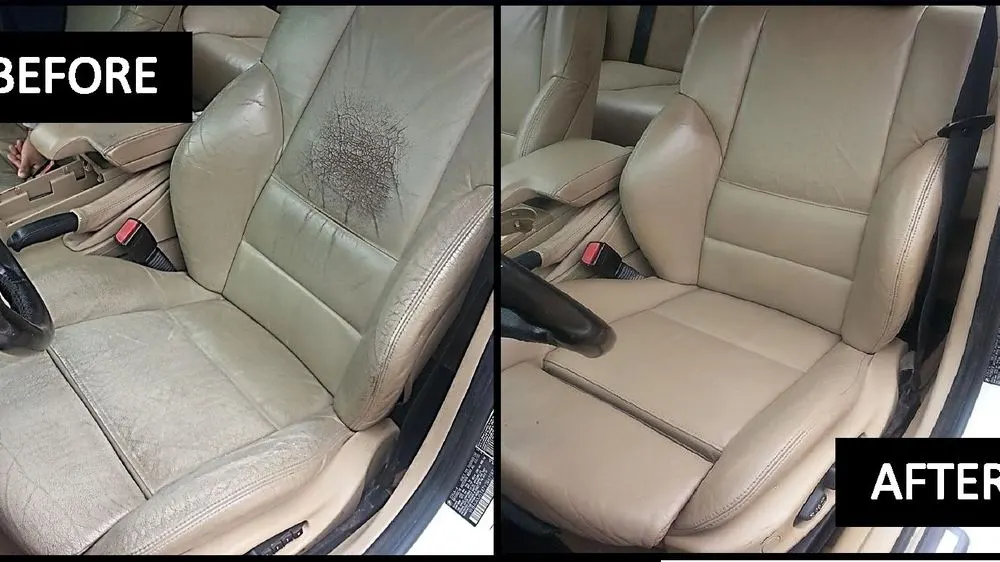
On vehicles, targeted interior work usually returns more than it costs, because a buyer forms a view of how the car was maintained from what they can see and touch — and the driver's bolster and steering wheel are among the cheapest things on the car to put right. On furniture it depends on the piece: quality and vintage furniture benefits, while ordinary furniture rarely returns the spend. In both cases, targeted work beats a full restoration.
At a glance
| Vehicles | Usually returns more than it costs, if targeted |
|---|---|
| Highest return | Driver's bolster, steering wheel, console — what is touched first |
| Quality furniture | Benefits; ordinary furniture usually does not |
| Do it before photos | Listings filter buyers before anyone visits |
| Be honest | Reconditioned is a fair description; undamaged is not |
Why interior condition carries more weight than it should
The effect is disproportionate and it is worth understanding, because it explains the return.
A buyer cannot assess mechanical condition, service history or structural soundness by looking. Those require documents or an inspection.
What they can assess immediately is condition — and they use it as a proxy for everything they cannot see.
A worn, cracked interior reads as a vehicle or a piece of furniture that was not cared for, and that impression transfers to the parts the buyer cannot evaluate.
A clean, sound interior reads as one that was looked after, and the buyer extends that assumption outward.
That is not a rational inference and it is a reliable one, which is why interior condition affects both the price and the speed of a sale.
It is also why the return on interior work is highest on the items a buyer touches first rather than on the largest areas.
Vehicles: where the money is
The highest-return items are consistent and they are cheap relative to their effect.
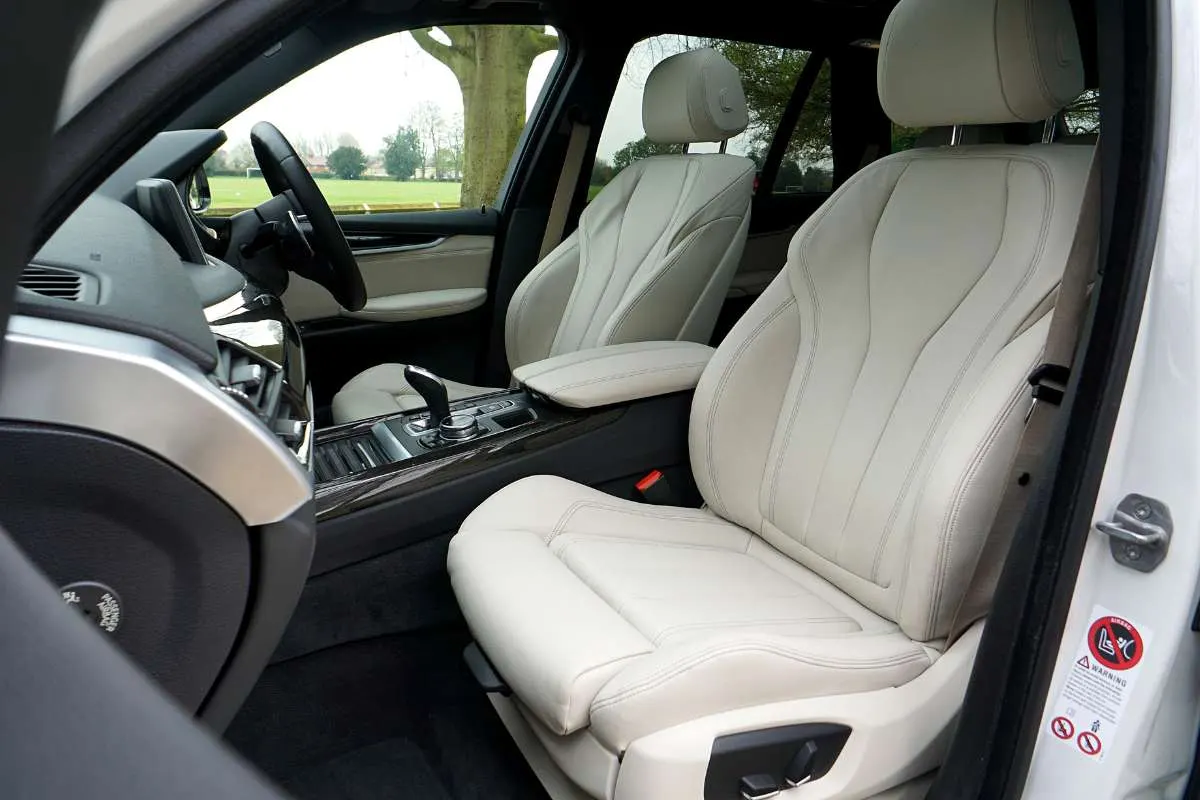
The driver's seat bolster. It is the first thing seen when the door opens, it reads as mileage regardless of what the odometer says, and it is among the cheapest panels on the car to repair.
The steering wheel. It is the first thing touched, and a shiny, sticky or worn wheel is a strong negative signal.
The center console lid, which sits under the driver's arm and in their eyeline.
Faded panel tops — the tops of rear seat backs and front seat shoulders — where uneven fading reads as neglect even with no damage.
The driver's footwell carpet, where heel wear and burns are visible on entry.
Beyond those five, work on areas a buyer will not encounter during a normal inspection generally does not repay the spend on a vehicle being sold.
So the answer is targeted work rather than a full interior restoration, and a specialist should tell you which items will move the number and which will not.
Selling privately versus trading in
The two routes value interior condition differently, and it changes what is worth doing.
A private buyer responds to the impression directly, and interior condition affects both what they will pay and how quickly the vehicle sells. Targeted work returns well here.
A dealer taking a trade-in is valuing the vehicle against what it will cost them to recondition it and what it will retail for. They will see the interior in professional terms rather than emotional ones.
That means a dealer discounts for interior work they will have to do, and the discount is often larger than what the work would have cost you — because they are pricing risk and time as well as labor.
So a modest spend before a trade-in frequently pays, particularly on the visible items.
What does not pay is extensive work before a trade, since the dealer is not paying retail for a restored interior.
For an auction or wholesale disposal, interior spend rarely returns at all.
The honest guidance is to match the spend to the route: targeted for private sale, minimal and visible for trade, none for wholesale.
Do it before the photographs
The sequencing point that gets missed and it costs more than the work does.
Most vehicle and furniture shopping starts with images.
A listing with an interior photograph showing a torn bolster or a cracked cushion filters out buyers who never make contact — they simply move on.
You never find out how many, which is why this is easy to underestimate.
Photographing first and repairing afterward means the listing that is working hardest for you shows the worst version of the item.
Re-shooting after the work costs more time than sequencing correctly in the first place.
So the order is: assess, repair, allow the cure period, clean and detail, then photograph, then list.
The same applies to a piece of furniture being sold online, where the photographs are doing all of the selling.
Furniture: when it returns and when it does not
The answer is more mixed than for vehicles and it depends heavily on the piece.
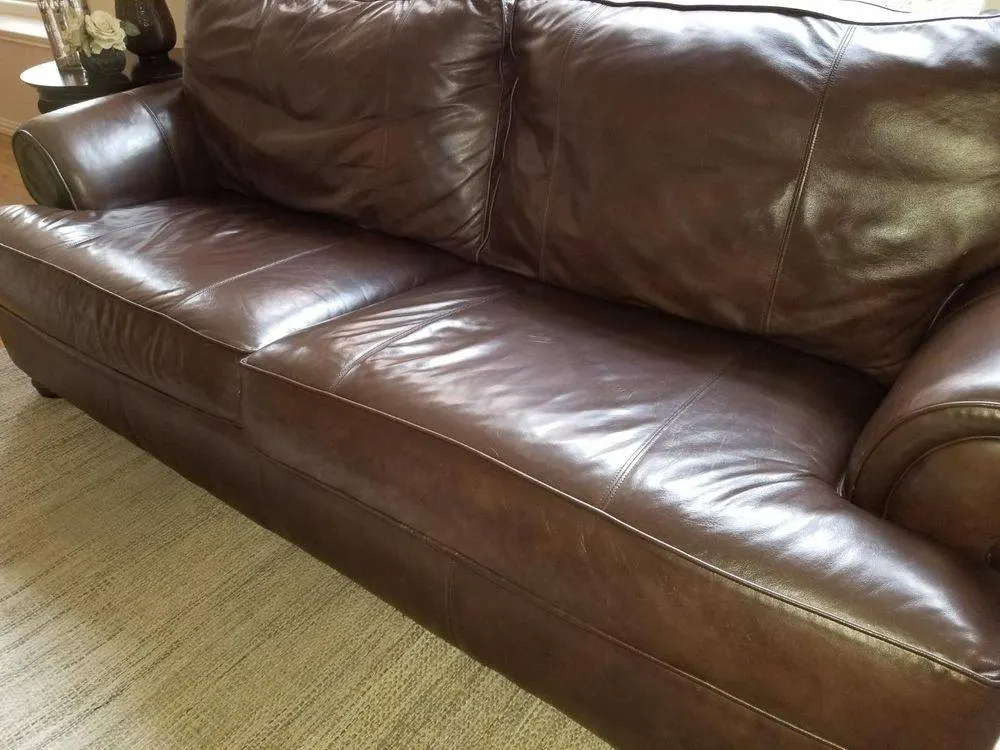
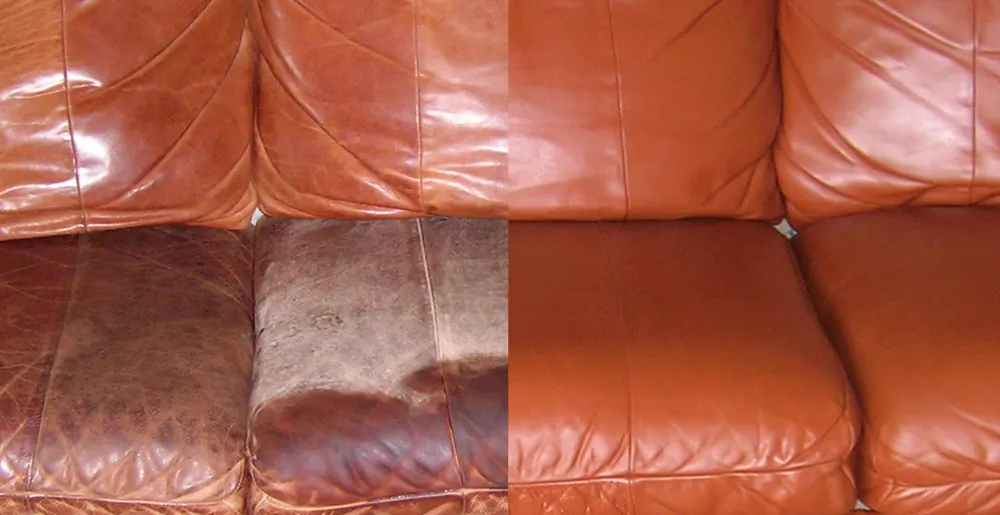
Quality furniture with a good frame benefits, because a buyer who knows what they are looking at will pay for construction — and a sound, well-presented piece is worth substantially more than the same piece looking neglected.
Vintage and designer pieces benefit most, because condition and originality both bear on value in a market where buyers are informed.
For those, the preservation question applies: over-restoration can reduce value on a piece whose appeal is its originality, so cleaning, feeding and stabilizing usually beats a full recolor.
Ordinary mass-market furniture rarely returns the spend. The second-hand market for it is thin, and buyers are price-driven rather than condition-driven.
Bonded leather furniture does not return restoration spend under any circumstances, since the material is delaminating and a buyer can see it.
So the useful test is whether a buyer will recognize what they are looking at. Where they will, condition pays; where they will not, it does not.
Commercial and fleet disposals
A different calculation again, and worth separating.
Fleet vehicles going to auction or wholesale rarely justify interior spend, because the buyer is a trade buyer pricing reconditioning cost.
Fleet vehicles being sold retail or to staff justify the same targeted approach as any private sale.
For leased vehicles, the wear-and-tear standard in the lease is the reference rather than resale value. Some damage that looks significant falls within normal wear, and repairing it is money not recovered — while damage that exceeds the standard is charged at the lessor's rate, which is frequently higher than a repair would have cost.
That makes checking the standard before the return the single most valuable step, and it is one most people skip.
For commercial furniture being disposed of, restoration almost never returns, and donation or resale as-is is usually the better route.
In every case the question is who the buyer is and what they are pricing.
Being honest about it
This matters, and it protects you as much as the buyer.
Repair and reconditioning are normal. There is nothing to conceal about having an interior professionally restored, and describing a vehicle or a piece as reconditioned is accurate and reasonable.
What is not reasonable is presenting a restored item as undamaged if asked directly. Those are different claims.
Two things in particular are worth disclosing.
Odor, where the source is in carpet padding or seat foam. A masking treatment fails within weeks and the buyer discovers it, which is a complaint that outlasts any price advantage.
Material that has failed — delaminating bonded panels, for instance — since it will continue to fail after the sale regardless of what was applied over it.
Being straightforward costs very little at the point of sale and avoids the situation where a buyer feels misled, which is worse than the original condition would have been.
Timing the work
Practical scheduling that affects both cost and outcome.
Do it far enough ahead that the cure period is comfortable rather than compressed. A repair marked by a viewing the same afternoon is worse than no repair.
Do it before photographs and before the listing goes up.
Do it before a trade appraisal rather than after, since the appraisal is where the discount is applied.
For furniture, do it before the piece is moved if it is being sold elsewhere, since moving damages leather easily.
Combine it with anything else that needs doing in one visit, since setup and color mixing are shared.
And get an assessment early, because the answer may be that the work is not worth doing — which is useful to know before you have built it into your asking price.
What buyers actually notice
Worth knowing, because it is not always what sellers assume.
Buyers notice what they touch before what they look at. A sticky steering wheel or a tacky armrest registers immediately and negatively, often before anyone has consciously assessed the appearance.
They notice inconsistency more than uniform wear. A vehicle where one seat is visibly worse than the others, or a suite where one chair does not match, reads as neglect more strongly than a set that has aged evenly.
They notice smell within seconds of opening a door, and it is the hardest thing to recover from because it suggests something they cannot see.
They notice the driver's seat specifically on a vehicle, because that is where they sit and where they imagine themselves.
They rarely notice the rear of a seat back, the underside of anything, or damage in a position they would not encounter during a normal inspection.
So the spending guide is straightforward: prioritize what is touched, then what is inconsistent, then what smells — and leave what nobody will encounter.
That order is also, conveniently, roughly cheapest to most expensive.
What to send for an assessment
Photograph the whole interior or the whole piece, then each damaged area close up and at a raking angle.
Say what the item is and what you expect it to sell for, since the spend has to be proportionate.
Say the route — private sale, trade-in, auction, lease return — because that changes the recommendation entirely.
Say the timeline, including when photographs need to be taken.
Do the thumb-flex test and report the result.
For a lease return, send the wear-and-tear standard if you have it.
Say whether there is any odor, and whether it is in the surfaces or seems to come from underneath.
And ask directly which items will move the price and which will not — a specialist worth using will tell you to skip things.
Questions we get asked next
- Does fixing a worn driver's seat pay for itself?
- On a vehicle sold privately, usually yes. The driver's bolster is the first thing seen when the door opens, it reads as high mileage regardless of the odometer, and it is among the cheapest panels on the car to repair — so the effect on the impression is disproportionate to the cost.
- Should I restore a sofa before selling it?
- Only if a buyer will recognize what they are looking at. Quality and vintage furniture benefits, because informed buyers pay for construction and condition. Ordinary mass-market furniture rarely returns the spend, and bonded leather never does.
- Is it worth doing interior work before a trade-in?
- A modest amount on the visible items usually pays, because a dealer discounts for reconditioning they will have to do and that discount is often larger than the work would have cost. Extensive work does not pay, since they are not paying retail for a restored interior.
- Do I have to tell a buyer the interior was repaired?
- Reconditioning is normal and describing an item as reconditioned is accurate. What matters is not claiming it is undamaged if asked directly, and disclosing odor whose source is in the padding or foam, and material that has failed — both of which the buyer will discover after the sale.
- resale value
- selling
- trade-in