Mobile on-site service — we come to you

Leather Care in Texas

Heat, UV through windows, year-round air conditioning and humidity swings, and what each one does to leather. A care schedule built for DFW homes.

11 articles, each technically reviewed by Francisco Avila.

Leather Cleaning

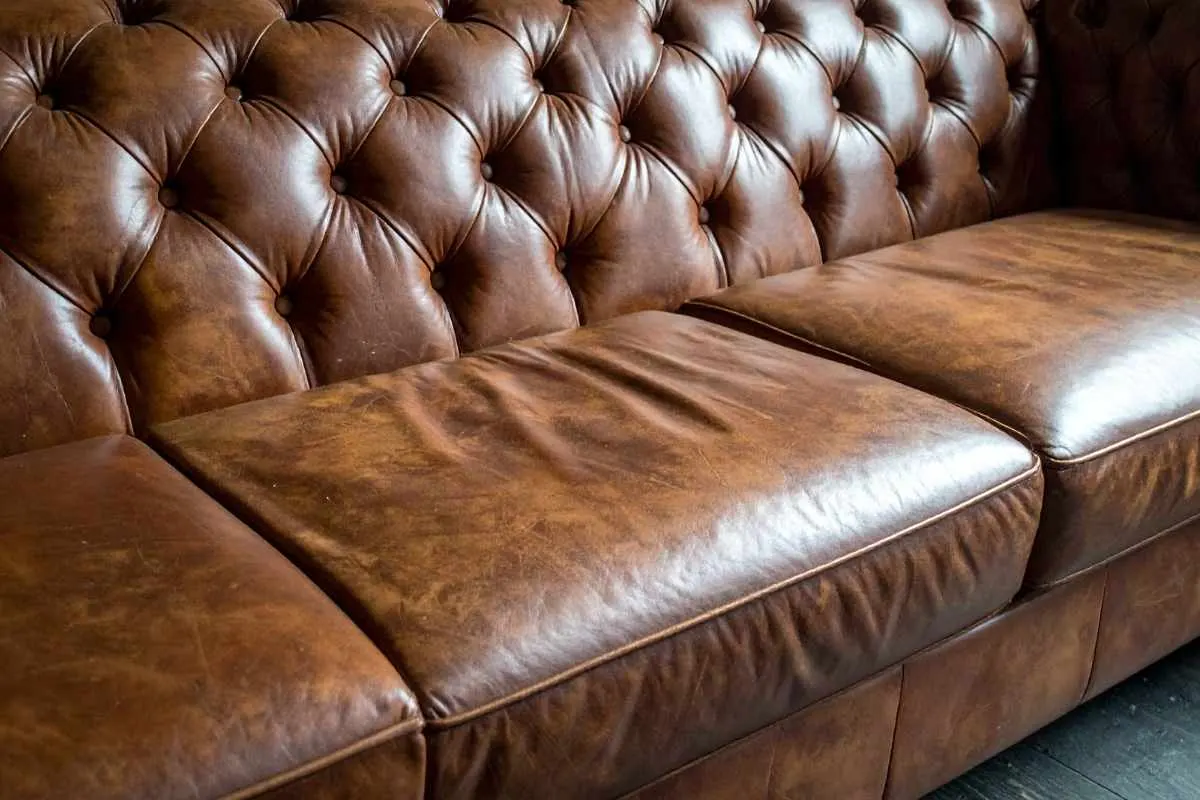
What Does a Professional Leather Couch Cleaning Include, and Is It Worth Paying For?

A professional leather couch cleaning in Dallas is one home visit: the leather type is tested, the couch is cleaned panel by panel, the oily headrests and arms are degreased, and the leather is conditioned and sealed. It is worth paying for when the couch has darkened zones, dye transfer or a hazy finish, which a wipe-down cannot fix.

November 5, 20268 min read
Leather Repair

Five Leather-Conditioning Myths That Can Shorten Furniture Life

Five leather conditioning myths do most of the damage: that more is better, that household oils work, that conditioner repairs cracks, that every leather takes the same product, and that shine means healthy. Each one leaves residue, stains or a delayed repair. In Dallas, where heat and constant air conditioning dry leather quickly, what works is a light conditioning every 6–12 months for furniture in daily use.

August 13, 20269 min read

Leather Repair

How Do You Choose a Safe Cleaner for Aniline, Pigmented, Bonded and Faux Leather?

Choose a leather cleaner by the leather type, not the label. A drop of water on a hidden spot tells you: if it beads, the leather is pigmented and takes a pH-balanced leather cleaner; if it soaks in, it is aniline and needs a low-moisture aniline product. Bonded and faux leather need a neutral cleaner and no conditioner. In Dallas, where heat and air conditioning dry leather fast, the choice matters more.

August 12, 20268 min read

Leather Repair

A Weekly, Monthly and Annual Leather-Care Schedule for DFW Homes

A leather care schedule for a Dallas–Fort Worth home: vacuum the seams weekly, rotate cushions and wipe contact areas monthly, clean the whole piece every three months, and condition every six months for furniture in daily use, once a year for lightly used pieces. Homes with pets, children or a sunny room stay at the six-month end, because North Texas heat, sun and air conditioning dry leather year-round.

August 11, 20269 min read

Leather Repair

Can North Texas Humidity Swings Cause Mold or Stiffness in Leather?

Yes. North Texas humidity can grow mold on leather wherever damp air sits still: garages, storage units without climate control, closed-up houses and furniture pushed tight against an exterior wall. Lived-in, air-conditioned rooms in Dallas are rarely the problem. Humidity swings also add to stiffness, though dry indoor air is the bigger cause. Surface mold caught early cleans off; dark spotting that will not wipe away usually needs refinishing.

August 10, 20269 min read

Leather Repair

How Should You Prepare Leather Furniture for Parties, Guests and Holiday Spills?

Prepare leather furniture a week before guests arrive, not the day before: clean it, condition lightly and buff, so the finish is at its best and nothing is sitting on the surface. On the night, keep a clean, dry cloth within reach and blot spills without rubbing or household cleaners. The next morning, check every seat in daylight. In Dallas the hosting season runs from Thanksgiving through New Year, so do it once for the whole run.

August 6, 20269 min read

Leather Repair

How Can Families Protect Leather Furniture from Kids and Pets Without Damaging It?

Leather handles a Dallas family home well if you pick pigmented leather, protect the few spots that take damage and blot spills fast. Leather furniture pet damage is predictable: claw scratches on arm sides and cushion fronts. Kids bring ink, dye transfer, food and shoe scuffs. Trimmed claws, a throw on the pet’s spot and a dry cloth nearby prevent most of it, and almost everything else repairs in place.

August 5, 20269 min read

Leather Repair

What Care Does New Leather Furniture Need During the First Year?

New leather furniture needs three things in its first year: find out which leather you bought, place it away from vents, afternoon sun and heat, and start conditioning on a schedule instead of waiting for it to look dry. In Dallas, where heat and constant air conditioning dry leather quickly, that means every 6–12 months for furniture in daily use, and about every six months with pets, kids or a sunny room.

August 4, 20269 min read

Leather Repair

How Do You Protect Leather Furniture from Scratches and Scuffs During a Move?

Wrap leather furniture in moving blankets, not plastic, and never let tape touch the leather. Pad the arms, corners and front cushion edges, keep nothing stacked on it in the truck, and unwrap it the day it arrives. In a Dallas summer a closed truck gets hot enough to soften finishes, so plastic and tape do more damage here. Scratches and scuffs from a move are usually repairable.

August 3, 20269 min read

Leather Repair

How Can You Protect Leather Furniture from UV Fading Near Texas Windows?

To protect leather furniture from UV fading near a Texas window, deal with the light before the leather: a UV-filtering window film, shades that are closed during the sunny hours, and moving or rotating the furniture so no single panel takes the exposure. Ordinary glass still passes light that fades pigment. In Dallas homes, west and south windows do most of the damage, and faded leather can be recolored once the light is under control.

July 31, 20269 min read

Leather Repair

Why Year-Round Air Conditioning Dries Leather Indoors

Year-round air conditioning dries leather because cooling condenses moisture out of indoor air, and leather gives up its own moisture to match. In a Dallas–Fort Worth home the system runs for much of the year, so the hide slowly stiffens, and stiff leather scuffs and cracks where it flexes. The answer is conditioning on a schedule: every 6–12 months for furniture in daily use, and about every six months in a sunny room or a home with pets and kids.

July 30, 20269 min read

Ready to see what your leather can look like?

Take a few photos of the damage, upload them, and get a firm free estimate — usually the same business day.

Prefer to text? Send photos to (972) 522-9763

CallText PhotosFree Estimate