Mobile on-site service — we come to you

Damage & Stain Guides

What to do in the first hour after a spill, burn, tear or scratch, what to avoid doing, and the point at which to stop and call a specialist instead.

20 articles, each technically reviewed by Francisco Avila.

Leather Repair

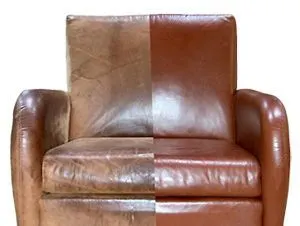
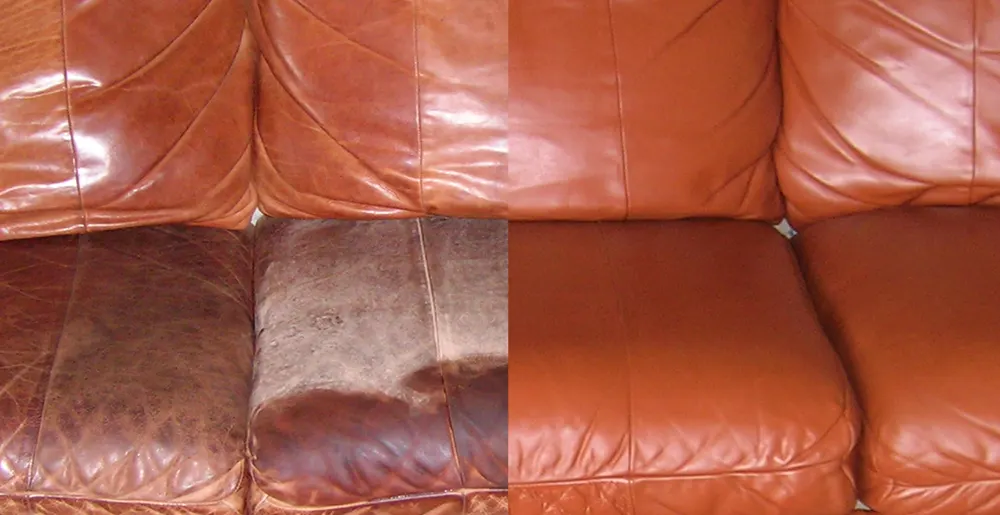
Leather Cleaning vs. Conditioning vs. Recoloring vs. Full Restoration

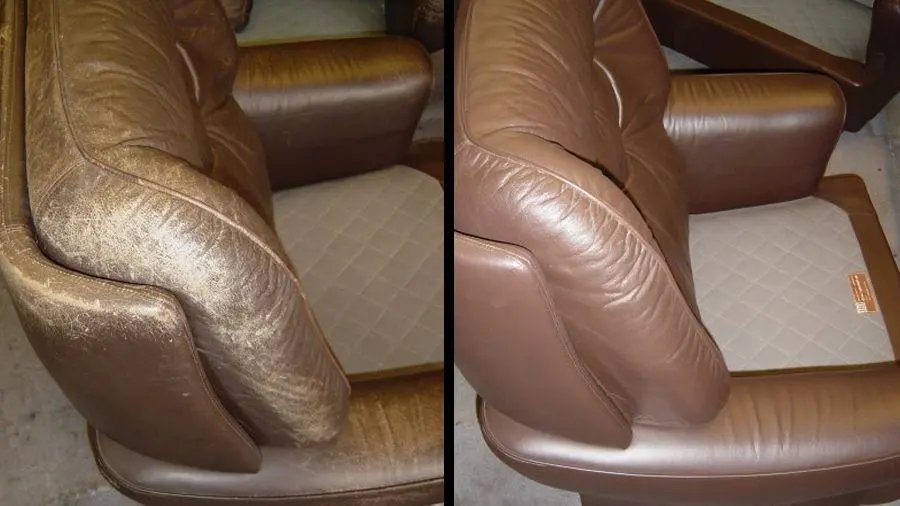
Cleaning removes what sits on the leather, conditioning keeps a sound hide flexible, recoloring replaces faded or worn color, and full restoration repairs, refinishes and reseals the whole piece. Work up from the smallest job: if cleaning fixes it, stop there. All four are done on-site across Dallas–Fort Worth, and four simple checks at home tell you which one your furniture needs before you ask for a quote.

April 24, 20269 min read
Leather Repair

Can a Bad Previous Color Repair Be Removed and Matched Correctly?

Yes. A bad color repair on leather can almost always be removed and matched correctly, and in Dallas–Fort Worth the correction is done on-site with the piece in place. The applied color comes off, the surrounding area is feathered back, and the color is rebuilt in thin layers mixed against your leather, with the topcoat matched to the original sheen. The removal is the extra work.

April 23, 20269 min read

Leather Repair

Can a Professional Fix Leather After a Failed DIY Kit or Adhesive Patch?

Yes, almost always. A failed kit repair, adhesive patch or glued tear can be fixed properly, and in Dallas–Fort Worth the work is done on-site with the piece in place. What changes is the starting point: the old material has to come off first. Excess color and thin filler come off readily; superglue, silicone dressings and solvent damage are the hard ones. Say exactly what was used.

April 22, 20269 min read

Leather Cleaning

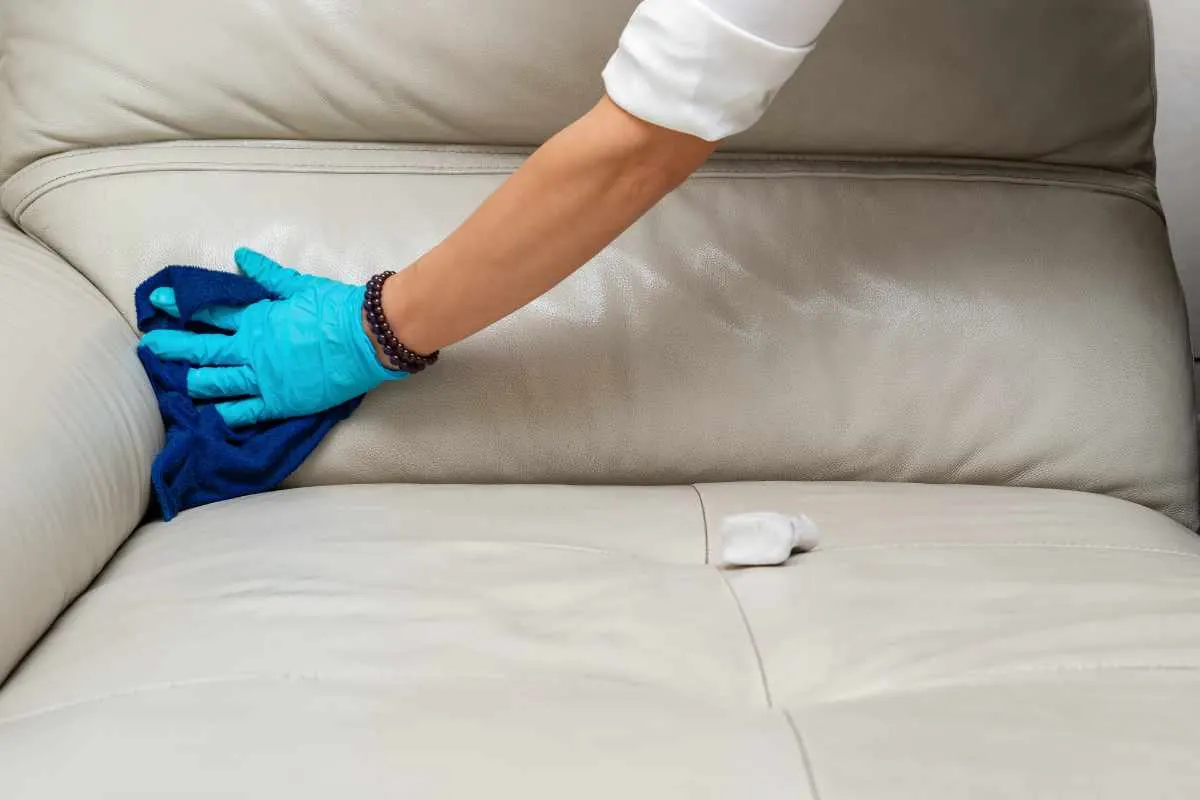
Leather Stain Emergency Guide: What to Blot, What to Avoid and When to Stop

For a fresh stain on leather, blot with a dry white cloth from the outside in, do not rub, and add nothing yet: no water, cleaner or wipe. Then check whether the leather is sealed or absorbent. Oil, ink, aniline leather and worn-through finish are the four to stop on and photograph. In Dallas heat a spill sets fast, so act before it dries.

April 21, 20269 min read

Leather Repair

DIY Leather Repair Kit vs. Professional Repair: When Is Each Appropriate?

For a leather couch in Dallas–Fort Worth, our answer is to skip the kit and send photos first. Kit fillers and colors rarely match, and cured kit residue makes the professional repair harder. A kit is your choice for a piece you do not mind risking. The risk is lowest on a small scuff on a flat, dark, low-flex panel, and highest on seats, light colors and peeling.

April 20, 202610 min read

Leather Repair

What Should You Do Right After a Pet Scratches or Punctures Leather?

Right after a pet scratches or punctures leather, do less, not more: leave the raised fibers and any loose flap exactly as they are, do not clean, tape, glue or condition the spot, blot visible soil with a dry cloth, and keep the animal off it. Then photograph the damage and send the photos. We repair pet damage on-site at homes across Dallas–Fort Worth, and fresh damage is the smallest repair it will ever be.

April 16, 20269 min read

Leather Repair

How Can You Keep a Leather Tear from Spreading Before a Repair Appointment?

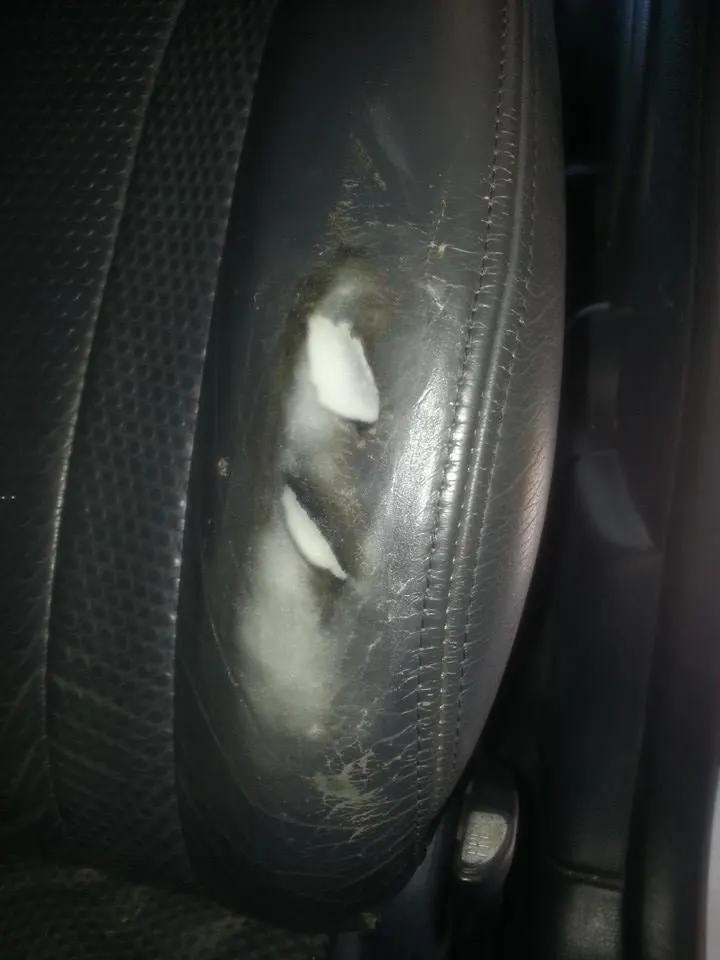
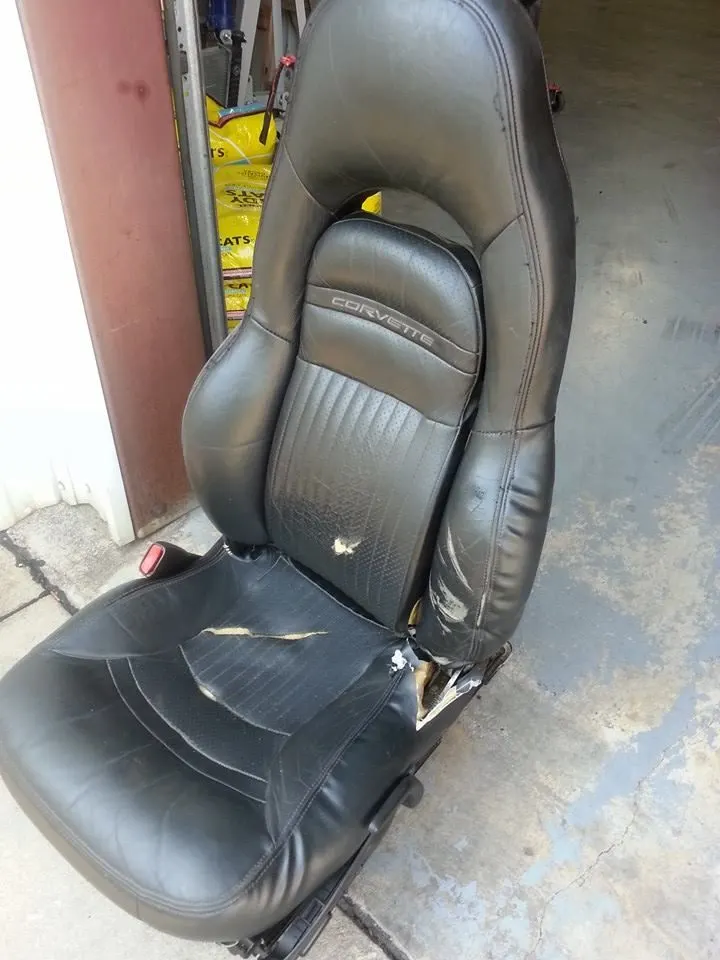
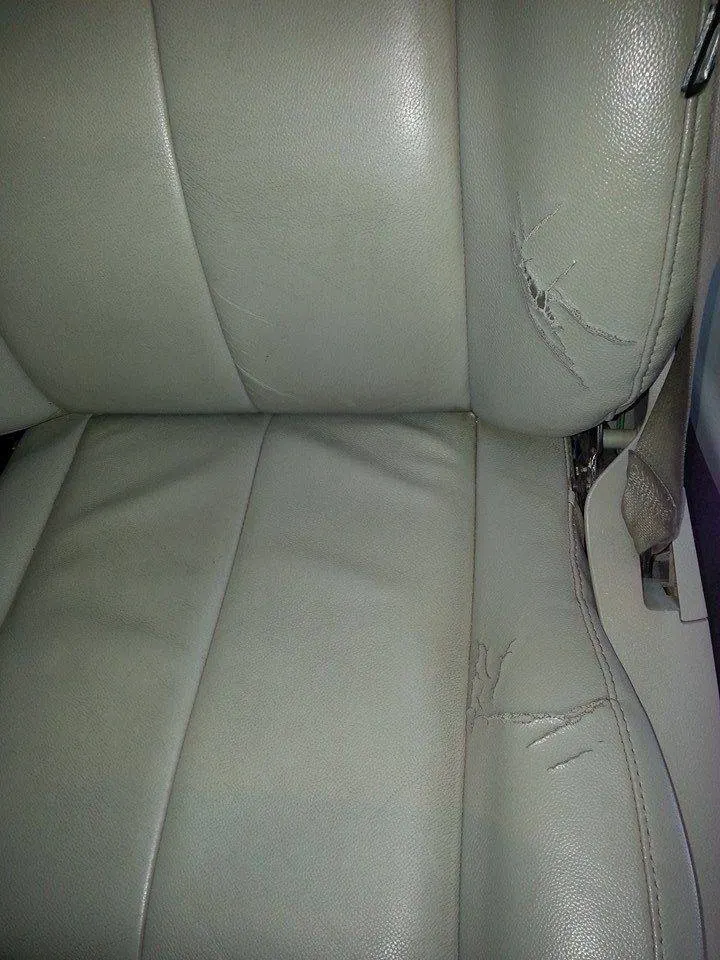
To keep a leather tear from spreading, stop using that seat, support the tear from behind with leather-repair tape on the underside, and cover it so nothing catches the edges. Never put superglue or duct tape on the face. Leave an intact flap where it is: it is good news, because the original grain can be laid back over a sub-patch. In Dallas–Fort Worth we repair tears in your home or where the car is parked.

April 15, 20269 min read

Leather Repair

What Should You Do After a Hot Ember or Cigarette Burns Leather?

After a cigarette or ember burns leather, let it cool, then leave it alone: do not pick at the charred rim, trim the edges or apply any product, and check whether the foam underneath melted. The char is removed precisely as the first step of the repair, then the hole is backed, filled, grain-stamped and color-blended. In Dallas–Fort Worth we repair burned leather on site, and on pigmented leather the finished spot is invisible at normal viewing distance.

April 14, 20269 min read

Leather Cleaning

What Should You Do Immediately After Leather Gets Wet or Flooded?

If leather gets wet, blot it, take the cushions off, stand them on edge and run fans, with no heat and no sun. Drying too fast hardens the hide; drying too slowly lets mold grow in the foam. In a Dallas summer a damp room or car heads toward mold quickly, so the first 24 hours decide the outcome.

April 13, 20268 min read

Leather Cleaning

Is Mold or Mildew on Leather Cleanable, or Has the Material Been Damaged?

Mold on leather is usually cleanable. On finished leather the coating keeps the growth on the surface, so it wipes off and the hide underneath is fine. The real question is depth: mold on unfinished leather can stain for good, and mold in the cushion foam cannot be cleaned out. In humid Dallas summers, the fix also means removing the moisture that fed it.

April 11, 20269 min read

Leather Cleaning

Can Clothing Dye, Newspaper Ink and Fabric Transfer Be Removed from Leather?

To remove dye transfer from leather, clean the whole panel gently with a leather cleaner and repeat light passes; never scrub it or use alcohol. Fresh denim dye and newsprint on sealed leather usually come off completely. Dye that has sat for months may need light refinishing after cleaning. In Dallas–Fort Worth we remove it on site and finish with a protective coat.

April 10, 20268 min read

Leather Repair

Why Is Color Rubbing Off My Leather When I Clean or Sit on It?

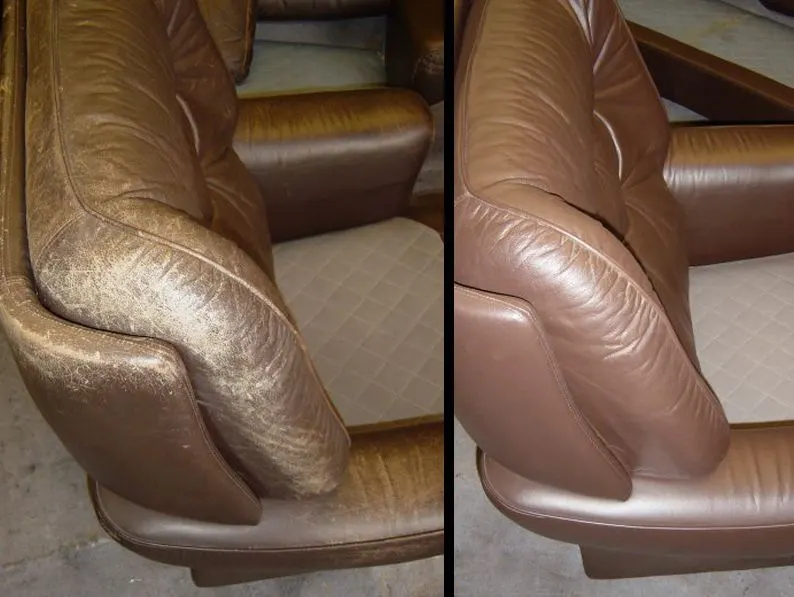
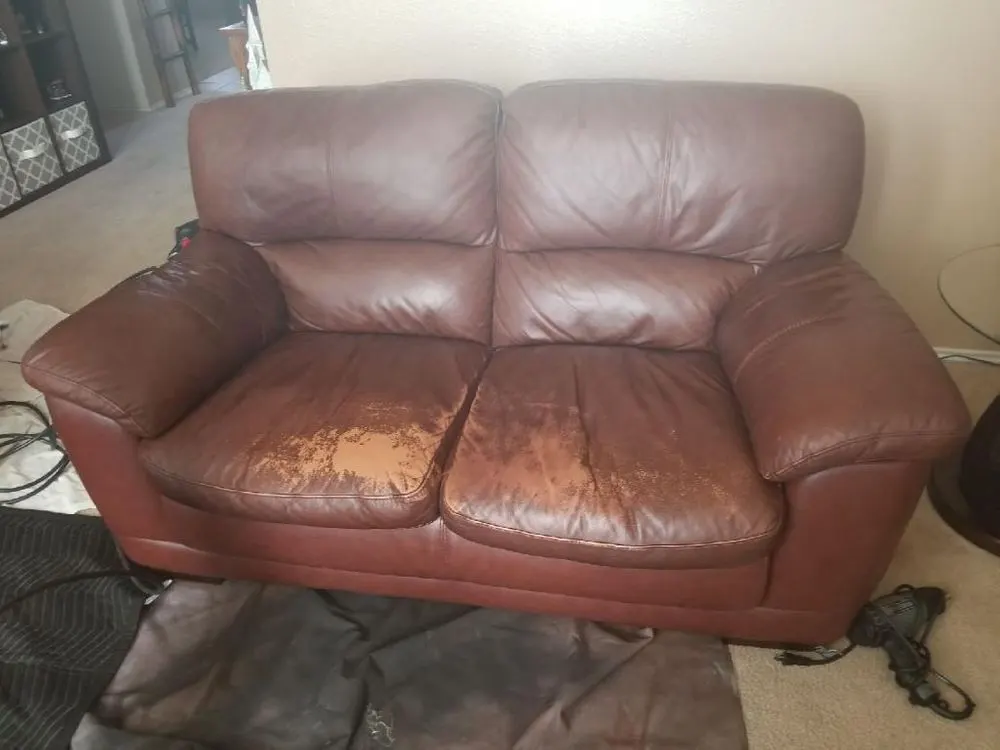
Color on your cleaning cloth means the clear topcoat has worn through and you are wiping off the pigment itself. Stop cleaning that spot today. In Dallas homes and cars, dry air-conditioned rooms and strong sun speed this up, and the fix is refinishing: clean, rebuild the color layer and seal it.

April 9, 20268 min read

Leather Repair

Why Does Leather Become Dry and Stiff, and Can It Be Softened Again?

Dry, stiff leather can usually be softened again if it has not started cracking. Leather stiffens as the oils and plasticizers that let it bend migrate out, driven by heat and dry air. Cleaning and a few light conditioning sessions bring much of the suppleness back; once the finish has cracked open or is peeling, it needs repair and refinishing. In Dallas homes, where air conditioning runs most of the year, check the fold lines early.

April 8, 20269 min read

Leather Cleaning

Why Does Leather Feel Sticky or Tacky, and Can the Finish Be Restored?

Sticky leather has one of two causes: residue sitting on the finish (old conditioner, silicone, body oil), which cleans off, or a finish that is breaking down, which needs refinishing. Do not add conditioner. Dallas summer heat makes both worse, and a simple clean-and-wait test tells you which one you have.

April 7, 20268 min read

Leather Repair

What Dallas Heat, Sun and UV Do to Leather Over Time

Dallas heat, sun and air conditioning damage leather in a set order. UV fades the color first, then heat and dry indoor air stiffen the finish, then cracks open at the fold lines, starting on the panel that faded first. Caught at the fading stage, it is a recoloring job; once it cracks, it needs filling and refinishing as well. Moving the piece out of the afternoon sun is the cheapest fix there is.

April 3, 20268 min read

Leather Cleaning

Are Household Wipes and Cleaners Safe for Leather and Vinyl? A Dallas Guide

No, not as a habit. Disinfecting wipes, baby wipes and all-purpose sprays slowly strip the finish on leather and dry out vinyl. One wipe rarely shows. Weekly use on the same headrest or armrest dulls the spot, then the color rubs off, then it cracks. Use a cleaner made for leather or vinyl, on a cloth. In Dallas heat the damage shows sooner, and a stripped panel can be refinished.

April 2, 20268 min read

Leather Cleaning

Can Alcohol, Hand Sanitizer or Disinfectant Damage Leather?

Yes. The alcohol in hand sanitizer, disinfectant wipes and many sprays dissolves the protective finish on leather, so the damage builds with every contact instead of showing as one stain. It appears first on headrests, armrests, steering wheels and office chair arms, and Dallas heat speeds it up. Let sanitizer dry before you touch upholstery.

April 1, 20268 min read

Leather Cleaning

Should You Put Olive Oil, Coconut Oil or Petroleum Jelly on Leather?

No. Olive oil, coconut oil and petroleum jelly do not condition finished leather. They sit on the coating, attract dirt and turn rancid, and they contaminate the surface so a future repair will not bond. Clean the leather first, then use a conditioner made for finished upholstery leather. In Dallas homes, where air conditioning dries leather most of the year, that means conditioning every 6–12 months, not reaching for the kitchen cabinet.

March 31, 20269 min read

Leather Repair

Will Leather Conditioner Fix Existing Cracks — or Only Help Prevent Them?

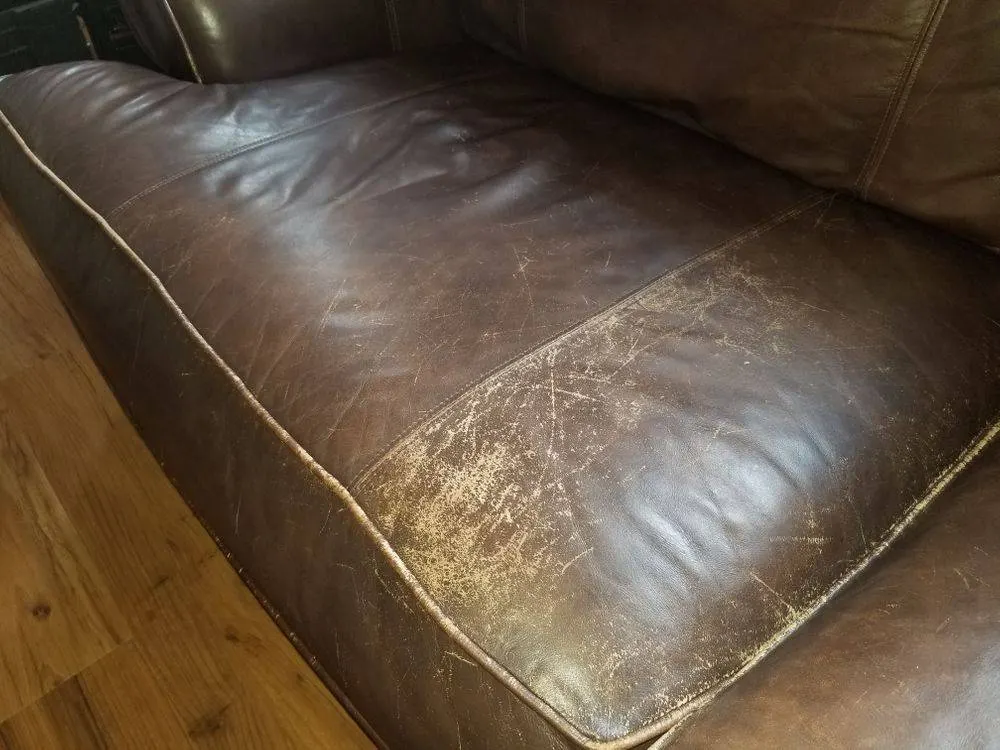
No. Conditioner cannot fix cracked leather, because a crack is a break in the finish and no wipe-on product puts material back. Cracked leather is repaired by filling, re-graining and recoloring the panel. What conditioner does well is prevention: in Dallas homes, where air conditioning runs most of the year, it keeps sound leather supple so new cracks do not start.

March 30, 20268 min read

Leather Cleaning

How Often Should Leather Be Cleaned and Conditioned in North Texas?

In Dallas–Fort Worth, leather furniture in daily use should be professionally cleaned about every six months and conditioned every 6 to 12 months. Lightly used pieces need both once a year. Homes with pets, kids or a sunny room sit at the six-month end and may need cleaning more often, and vehicles parked outside are conditioned twice a year. Cleaning always comes first, then conditioning.

February 3, 20269 min read

Ready to see what your leather can look like?

Take a few photos of the damage, upload them, and get a firm free estimate — usually the same business day.

Prefer to text? Send photos to (972) 522-9763

CallText PhotosFree Estimate